
Gazprom Neft Says Serbia NIS Sale Talks Need More Time Amid U.S. Sanctions Pressure
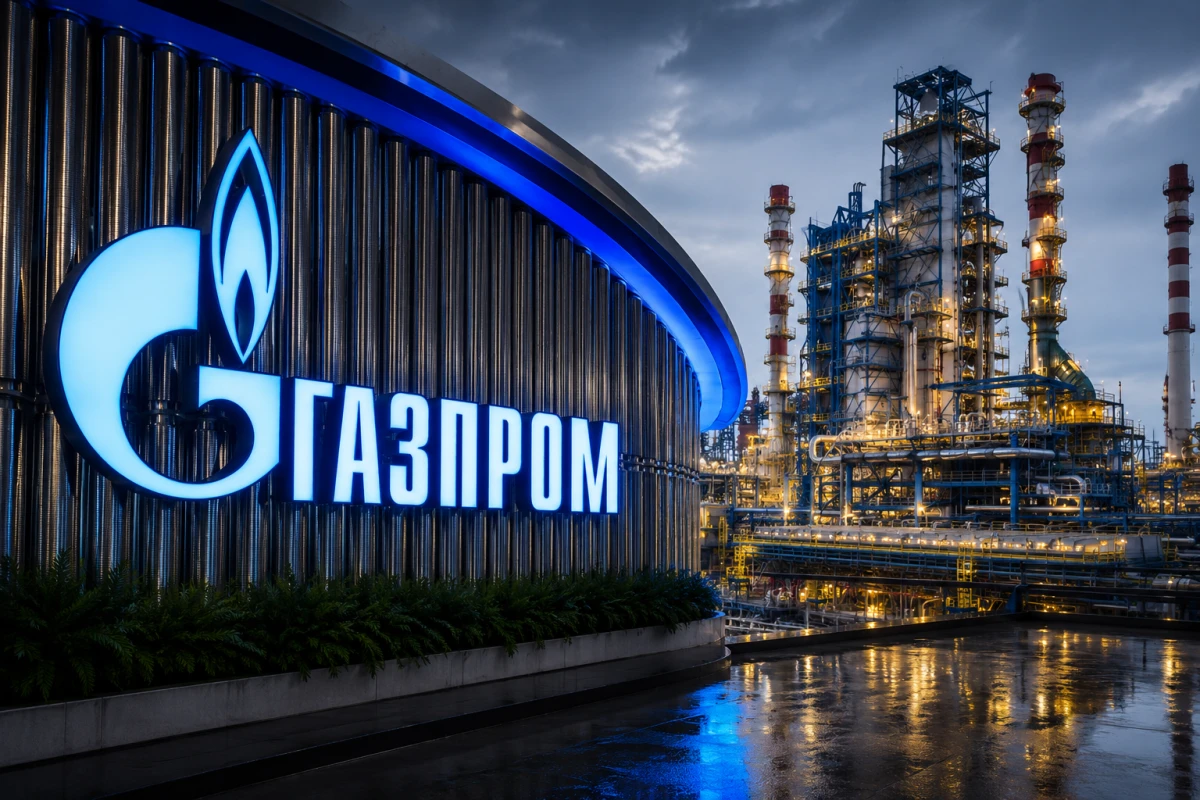
Gazprom Neft said talks over the sale of its stake in Serbia’s oil company NIS are still ongoing and will require more time, as U.S. sanctions continue to pressure Russian energy firms to divest from the Serbian refiner.

What Happened
Russia’s Gazprom Neft said negotiations over the sale of its stake in Serbia’s NIS are continuing, but the process will take more time because the transaction is complex. The comments were reported by Interfax after remarks from Gazprom Neft chief Alexander Dyukov at the company’s shareholder meeting.
The potential sale is not an ordinary commercial transaction. It sits at the center of a wider sanctions issue involving the United States, Russia, Serbia and Hungary. Washington has demanded that Gazprom and Gazprom Neft divest their shares in NIS after the company was targeted as part of U.S. sanctions against Russia’s energy sector.
NIS, formally known as Naftna Industrija Srbije, is one of Serbia’s most important energy companies. It operates the country’s only oil refinery and plays a major role in Serbia’s fuel supply. Because of that, any ownership change has consequences beyond shareholders. It affects energy security, crude supply routes, refinery operations and Serbia’s wider relationship with both Western governments and Russia.
Key Details
The United States imposed sanctions on NIS as part of measures aimed at Russia’s energy sector. The sanctions increased pressure on Russian shareholders, including Gazprom Neft and Gazprom, to exit the Serbian oil company. Until the ownership issue is resolved, NIS has needed temporary licenses or waivers to continue key operations.
Hungary’s MOL has emerged as the main potential buyer of the majority stake controlled by Russian entities. The U.S. Treasury’s Office of Foreign Assets Control recently extended a license allowing MOL to continue negotiations until July 1. That extension gives the parties more room to complete talks, but it also highlights that time remains limited.
The transaction involves several sensitive layers. MOL must negotiate with Russian shareholders, Serbia must protect its energy interests, and U.S. authorities must be satisfied that the final ownership structure complies with sanctions requirements. At the same time, NIS must continue operating without disruption because Serbia depends heavily on the company’s refinery and distribution network.
For Serbia, the issue is especially delicate. The country has historically maintained close energy ties with Russia while also balancing relations with the European Union and neighboring markets. A sale to MOL could reduce sanctions pressure, but it would also reshape control over one of Serbia’s most strategic companies.
What Was Said
“We are currently holding talks on the share sale. It is a complex deal and will take time to reach an agreement. The process continues.”
Alexander Dyukov, the head of Gazprom Neft, was quoted by Interfax as saying that negotiations remain underway. His statement signals that the company has not walked away from the process, but also that no immediate agreement should be assumed.
The wording matters because it suggests that the main challenge is not whether talks exist, but whether the parties can align on price, approvals, ownership structure, operating commitments and sanctions compliance. In practical terms, the sale must satisfy commercial interests and political requirements at the same time.
Why It Matters
The NIS sale matters because it shows how sanctions against Russia continue to affect energy assets outside Russia’s borders. Serbia’s oil sector is now directly tied to decisions made in Washington, Moscow, Budapest and Belgrade. That makes the negotiations both a business deal and a geopolitical test.
For Serbia, the most immediate concern is fuel stability. NIS operates Serbia’s only refinery, which means any sanctions disruption could affect crude processing, fuel distribution and market confidence. Even if supplies continue, uncertainty around ownership can complicate planning for imports, refinery maintenance and investment.
For the United States, the case is part of a broader strategy to limit Russian influence in regional energy infrastructure. By demanding divestment, Washington is pushing for a structure in which sanctioned Russian firms no longer control a key Serbian energy company.
For MOL, the deal could strengthen its regional position in Central and Southeastern Europe. Acquiring a majority stake in NIS would expand its footprint in refining, retail and wholesale energy markets. However, the opportunity comes with regulatory and political risk because the deal depends on U.S. approval and Serbia’s acceptance of future governance arrangements.
What Happens Next
The next key date is July 1, when the current U.S. license extension for MOL’s negotiations is set to expire. Before then, the parties may try to finalize the transaction framework or seek additional time from U.S. authorities.
Several outcomes remain possible. The parties could reach an agreement that allows MOL to acquire the Russian-held stake, subject to OFAC approval. They could also request another extension if negotiations remain close but incomplete. If talks stall, pressure on NIS could increase because the company’s operating flexibility depends on continued sanctions relief.
Readers should watch for three signals: whether Gazprom Neft and Gazprom accept final sale terms, whether OFAC approves the structure, and whether Serbia confirms governance guarantees around refinery operations. These details will determine whether the sale becomes a sanctions solution or another temporary pause in a longer negotiation.
Key Facts
- Gazprom Neft said talks over the sale of its stake in Serbia’s NIS are continuing.
- The company said the transaction is complex and will take more time to complete.
- U.S. sanctions on NIS are tied to Russian ownership and broader measures against Russia’s energy sector.
- Hungary’s MOL has been negotiating to buy a majority stake in NIS.
- The current U.S. license extension allows negotiations to continue until July 1.
Conclusion
Gazprom Neft’s comments show that the Serbia NIS sale remains unresolved despite continued negotiations and U.S. pressure for Russian shareholders to divest. The outcome will matter for Serbia’s energy security, MOL’s regional ambitions and Washington’s sanctions strategy. The most important development to watch now is whether the parties can turn ongoing talks into an approved deal before the latest U.S. deadline expires.
Frequently Asked Questions
What's Your Reaction?
 Like
0
Like
0
 Dislike
0
Dislike
0
 Love
0
Love
0
 Funny
0
Funny
0
 Wow
0
Wow
0
 Sad
0
Sad
0
 Angry
0
Angry
0









Comments (0)