
US Gasoline Prices Fall for Sixth Straight Week as Iran Tensions Ease

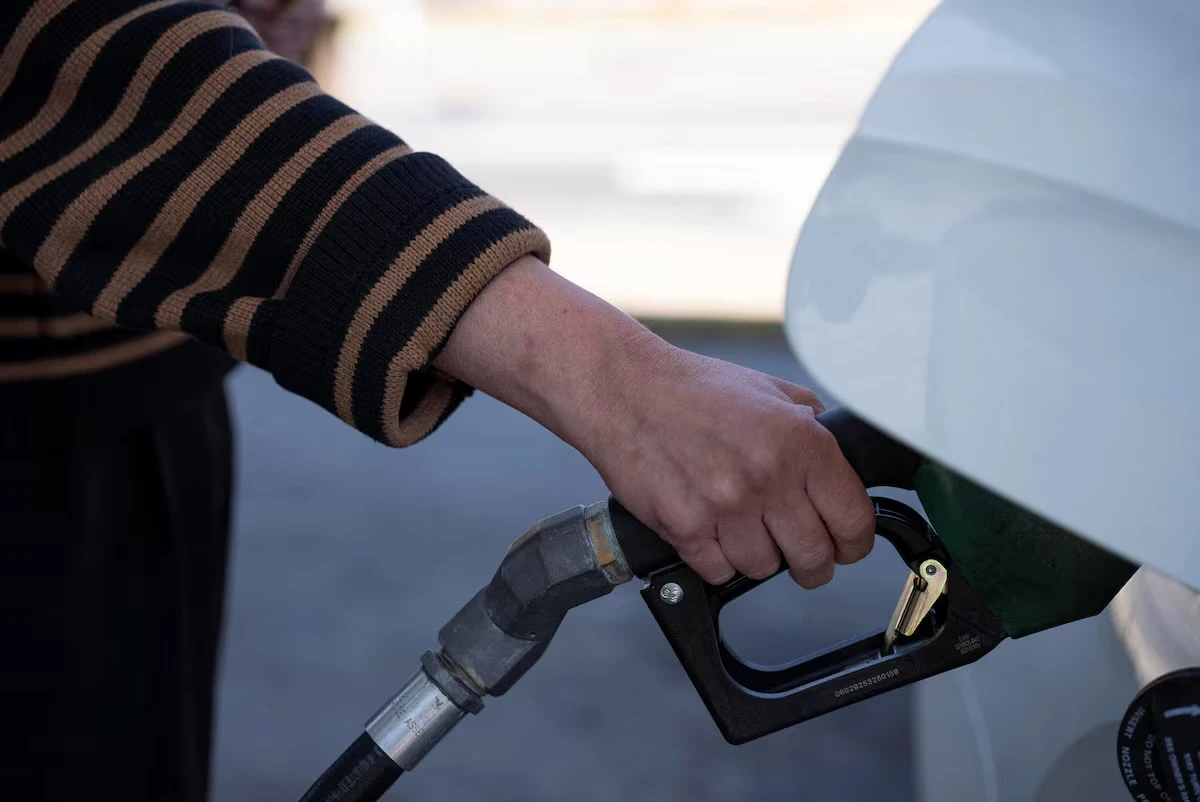
US gasoline prices have fallen for a sixth consecutive week, giving American drivers relief at the pump as diplomacy between the United States and Iran helps reduce fears of a major disruption in global energy markets.
What Happened
The national average price of gasoline fell by 14.1 cents per gallon over the past week, reaching $3.85 per gallon on Monday, according to GasBuddy. The decline marked the sixth straight weekly drop and extended a broader slide from the May peak.
The price drop was not limited to one region. Gasoline prices declined in most states, with some areas seeing sharper decreases than the national average. Colorado recorded a drop of 25 cents per gallon, Arizona fell by 22 cents, and Ohio declined by 21 cents over the same period.
For drivers, the change is immediate and visible. Gasoline is one of the few prices consumers see posted every day, and even small weekly declines can affect household budgets, commuting costs and summer travel plans.
Why Gasoline Prices Are Falling
The main factor behind the latest decline is reduced anxiety in oil markets. Diplomacy between Washington and Tehran has helped calm concerns that energy shipments through the Strait of Hormuz could face severe disruption.
The Strait of Hormuz is one of the world’s most important oil transit routes. When tensions rise near the waterway, traders often expect possible supply interruptions, which can push crude oil and gasoline prices higher. When those fears ease, prices can move lower.
Still, analysts are warning that the current relief depends on fragile assumptions. StoneX analyst Alex Hodes said lower gasoline prices should help ease inflation, but expectations that energy flows through the Strait of Hormuz will fully return to normal remain uncertain.
Why It Matters for Consumers
Lower gasoline prices can provide quick financial relief to millions of households. For workers who commute, families planning road trips, and small businesses that depend on transportation, cheaper fuel can reduce weekly expenses.
The decline may also help ease inflation pressure. Fuel costs affect not only drivers but also delivery services, airlines, shipping companies and retailers. When energy prices fall, the broader economy can experience less pressure from transportation and logistics costs.
Politically, the drop may also reduce pressure on President Donald Trump and Republicans as they face criticism from consumers over elevated prices. Energy costs are often a major issue for voters because they directly affect daily life.
Risks That Could Reverse the Decline
Despite the recent drop, gasoline prices are not guaranteed to keep falling. If relations between the United States and Iran deteriorate again, oil markets could react quickly. A renewed threat to shipping through the Strait of Hormuz would likely increase concerns about supply.
GasBuddy’s Patrick De Haan said gasoline prices are not currently at significant risk of a major spike because some vessels continue moving through the strait. However, he also warned that the situation could change if diplomatic conditions worsen.
Refinery disruptions are another risk. TotalEnergies shut down its 238,000-barrel-per-day refinery in Port Arthur, Texas, after a lightning strike knocked out power. A full restart was expected within seven days.
Separately, a fire broke out at Marathon Petroleum’s 631,000-barrel-per-day Galveston Bay Refinery in Texas City, Texas. Any extended outage at major refining facilities can tighten gasoline supply and slow or reverse price declines.
How Hurricane Season Could Affect Fuel Prices
The approaching Atlantic hurricane season adds another layer of uncertainty. Refineries and energy infrastructure along the Gulf Coast are especially important to the US fuel supply. Severe storms can interrupt production, damage facilities or delay shipments.
Even when storms do not cause long-term damage, precautionary shutdowns can reduce gasoline output temporarily. That can push wholesale prices higher and eventually affect retail prices at the pump.
For now, the gasoline market is moving in a favorable direction for consumers. But the combination of geopolitics, refinery operations and weather risk means the outlook remains highly sensitive to new developments.
What Happens Next
The next few weeks will be important for determining whether gasoline prices continue falling or stabilize. Energy markets will watch shipping activity through the Strait of Hormuz, US-Iran diplomatic signals, refinery restart timelines and weather forecasts.
If oil flows continue and refinery disruptions remain limited, drivers could see further relief. But if geopolitical tensions return or Gulf Coast refinery problems worsen, the current downward trend could lose momentum.
For consumers, the practical takeaway is clear: gasoline prices are lower now, but the reasons behind the decline are not permanent. The market remains vulnerable to sudden changes in supply, politics and weather.
Key Facts
- US gasoline prices fell for a sixth consecutive week.
- The national average dropped 14.1 cents to $3.85 per gallon.
- Prices are now about 15% below their May peak.
- Colorado, Arizona and Ohio recorded some of the largest weekly declines.
- Easing US-Iran tensions helped reduce oil market pressure.
- The Strait of Hormuz remains a key risk for global energy flows.
- Refinery outages in Texas could affect gasoline supply.
- Atlantic hurricane season could also disrupt fuel production.
Frequently Asked Questions
Why are US gasoline prices falling?
US gasoline prices are falling because oil market fears have eased as diplomacy between the United States and Iran reduces concerns about major energy supply disruptions.
How much have gasoline prices dropped?
GasBuddy data showed the national average price fell 14.1 cents in one week to $3.85 per gallon, about 15% below the May peak.
Which states saw the biggest price declines?
Colorado saw gasoline prices fall by 25 cents per gallon, while Arizona dropped by 22 cents and Ohio declined by 21 cents.
Could gas prices rise again?
Yes. Prices could rise if US-Iran relations worsen, if refinery outages reduce supply, or if hurricanes disrupt Gulf Coast energy infrastructure.
Why is the Strait of Hormuz important?
The Strait of Hormuz is a major global oil shipping route. Any disruption there can affect crude oil supply and increase gasoline prices worldwide.
Do lower gas prices help inflation?
Yes. Lower fuel prices can reduce transportation and logistics costs, which may help ease inflation pressure across the broader economy.
What should drivers watch next?
Drivers should watch oil market developments, refinery outages, hurricane forecasts and diplomatic signals between the United States and Iran.
Conclusion
The sixth straight weekly decline in US gasoline prices is welcome news for American drivers and could help ease inflation pressure. However, the relief depends on several fragile factors, including US-Iran diplomacy, energy flows through the Strait of Hormuz, refinery operations and hurricane season. For now, consumers are paying less at the pump, but the market remains exposed to sudden changes.
What's Your Reaction?
 Like
0
Like
0
 Dislike
0
Dislike
0
 Love
0
Love
0
 Funny
0
Funny
0
 Wow
0
Wow
0
 Sad
0
Sad
0
 Angry
0
Angry
0








Comments (0)