
Pope Leo Prays for Venezuela Quake Victims as EU Sends Emergency Aid
Pope Leo expressed solidarity with Venezuela earthquake victims on Sunday as the European Union announced emergency aid, rescue support and satellite mapping assistance for communities hit by powerful twin earthquakes.

Introduction
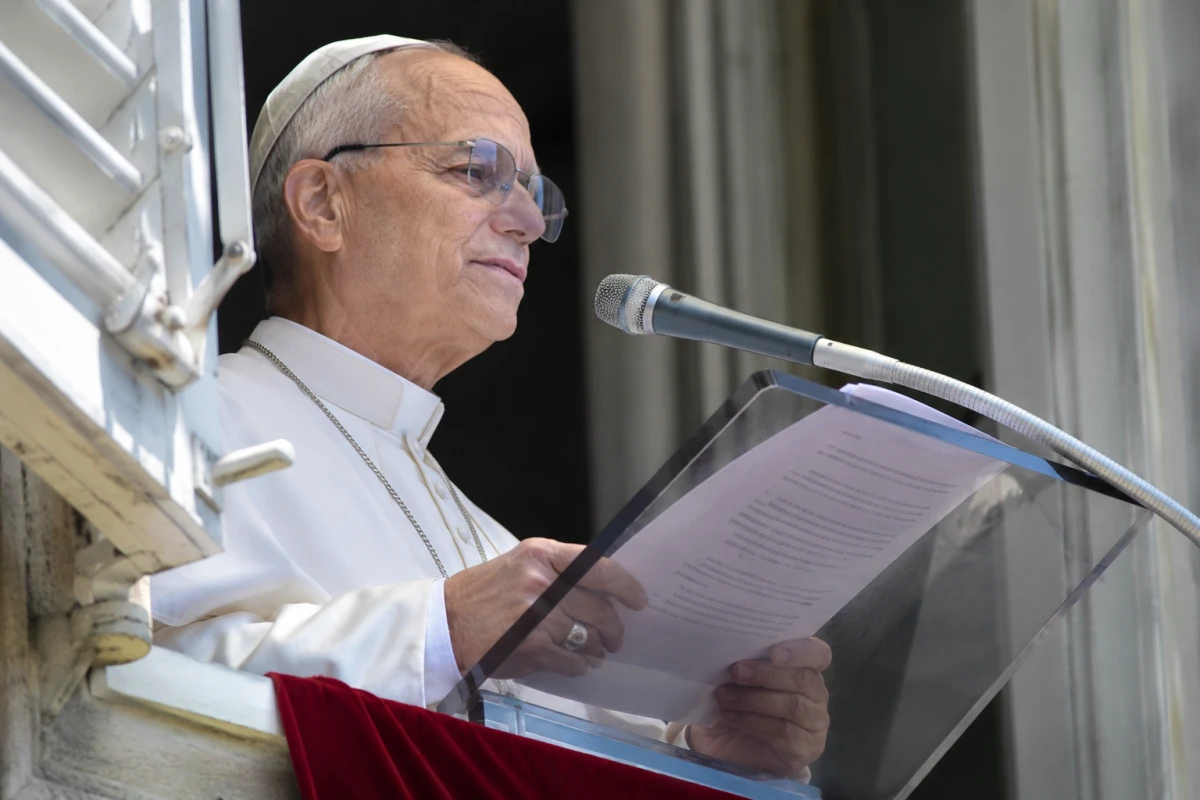
Pope Leo used his Sunday Angelus message in Rome to focus attention on Venezuela after twin earthquakes left communities facing deaths, injuries, collapsed buildings and urgent rescue needs. Speaking in Spanish, the pontiff expressed spiritual closeness to Venezuelan families and gratitude toward emergency workers.
The statement came as international assistance expanded. EU foreign policy chief Kaja Kallas said the European Union had mobilized emergency support for affected Venezuelan communities, including specialized teams and technical tools to help identify damaged areas.
What Happened
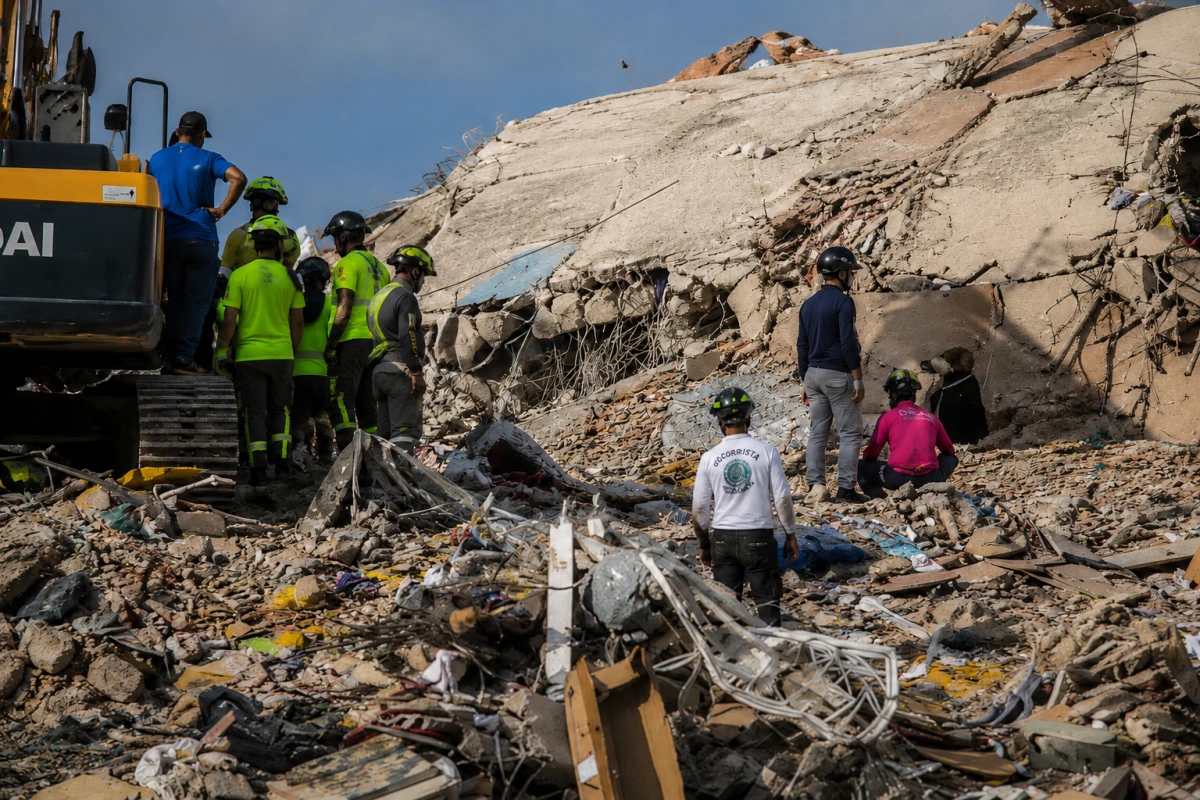
Venezuela was struck by two powerful earthquakes earlier in the week, causing widespread damage in and around Caracas and nearby coastal areas. Reuters reported that the first quake measured magnitude 7.2 and was followed less than a minute later by a magnitude 7.5 tremor, according to the U.S. Geological Survey.
The disaster triggered rescue operations, international offers of help and growing concern for people trapped under rubble. Authorities and humanitarian responders have focused on search and rescue, medical assistance, shelter and damage assessment.
Key Details
During the Angelus prayer, Pope Leo said he wished to express his closeness to Venezuelan “sisters and brothers” affected by the earthquakes, which caused numerous victims and injuries. He also thanked rescuers and those assisting people after the disaster.
Kaja Kallas said the European Union had mobilized €5 million in emergency aid for Venezuelan communities. She also said the EU had activated the European Civil Protection Mechanism, allowing several member states to deploy search-and-rescue teams, firefighters and medical personnel.
Another key part of the response is the EU’s Copernicus satellite system. According to Kallas, Copernicus is being used to map damage and help direct assistance to the places most in need.
Understanding the Topic
Large earthquakes can create several emergencies at once. The first priority is usually rescue: finding survivors, clearing rubble and stabilizing damaged structures. At the same time, hospitals may face sudden pressure from injured people, while families may need temporary shelter, clean water, food and medicine.
International aid can help fill urgent gaps, especially when local systems are overwhelmed. Search-and-rescue teams bring trained personnel, equipment and medical support. Satellite mapping can also help responders understand where roads are blocked, where buildings collapsed and where aid should be sent first.
Why It Matters
The Venezuela earthquakes matter because they combine a major natural disaster with a humanitarian response that requires speed, coordination and trust. For affected families, the immediate questions are practical and painful: who is missing, where help is available, whether homes are safe and how long basic services will take to return.
The pope’s remarks also carry symbolic weight. His message placed Venezuela’s suffering before a global Catholic audience and reinforced calls for solidarity. For many Venezuelans, especially those with family abroad, that public attention can help keep humanitarian needs visible as rescue operations continue.
The EU’s response matters because it adds financial, technical and operational capacity. Emergency funding, rescue teams and satellite mapping can improve the flow of assistance, particularly in areas where damage is difficult to assess from the ground.
Background and Context
Venezuela lies in a seismically active region where tectonic plates interact, making earthquakes a known risk. Reuters noted that the country sits where the Caribbean Plate meets the South American Plate, a geological setting that can produce damaging seismic activity.
“I wish to express my closeness to the Venezuelan sisters and brothers affected by the recent earthquakes that caused numerous victims and injuries.”
The message was delivered in Spanish, a language closely connected to Pope Leo’s pastoral background in Latin America. Before becoming pope, he spent decades as a missionary and bishop in Peru. His ties to the region give his statement additional resonance for Latin American audiences.
Practical Implications
For readers following the crisis, the most important point is that the response is still evolving. Damage reports, casualty numbers, missing-person lists and aid delivery updates can change quickly after a major earthquake.
People with relatives in Venezuela should rely on official emergency channels, humanitarian organizations and verified government updates. They should also be cautious with unconfirmed social media claims, especially regarding death tolls, missing persons, road access or aid distribution points.
For humanitarian organizations, the focus will likely remain on rescue operations, emergency medical care, shelter, water, sanitation and damage mapping. The use of Copernicus can help responders prioritize locations where the need is greatest.
What Happens Next
The next phase will depend on rescue progress, aftershock risks and the ability of emergency teams to access damaged communities. EU member states are expected to continue deploying personnel through the Civil Protection Mechanism, while Copernicus mapping supports decision-making on the ground.
Pope Leo’s appeal may also encourage additional international solidarity from religious groups, humanitarian organizations and governments. However, confirmed next steps should come from official responders and aid agencies as assessments become clearer.
Key Facts
- Pope Leo expressed solidarity with Venezuelans affected by recent earthquakes.
- The pontiff thanked rescuers and emergency workers helping survivors.
- The EU mobilized €5 million in emergency assistance for Venezuela.
- The European Civil Protection Mechanism was activated to coordinate rescue and medical support.
- Copernicus satellite mapping is helping identify damaged areas and guide aid delivery.
Conclusion
Pope Leo’s prayer for Venezuela quake victims and the EU’s emergency aid response highlight the growing international focus on a disaster that has left communities facing urgent humanitarian needs. As rescue teams continue their work, the key issues to watch are confirmed casualty updates, access to damaged areas, medical support, shelter needs and how quickly international assistance reaches the people most affected.
Frequently Asked Questions
What's Your Reaction?
 Like
0
Like
0
 Dislike
0
Dislike
0
 Love
0
Love
0
 Funny
0
Funny
0
 Wow
0
Wow
0
 Sad
0
Sad
0
 Angry
0
Angry
0










Comments (0)