
Why the Kawasaki Ninja 650 Continues to Be One of the Most Beginner-Friendly Sport Bikes on the Market
Discover why the Kawasaki Ninja 650 continues to be one of the best beginner-friendly middleweight sport bikes, combining comfort, technology, performance, and everyday usability.

Quick Summary
- The Kawasaki Ninja 650 remains one of the most accessible middleweight sport bikes available today.
- Its 649cc parallel-twin engine delivers smooth and predictable performance suitable for newer riders.
- Comfort-focused ergonomics make it practical for commuting and long-distance riding.
- Modern technology such as traction control and ABS improves rider confidence.
- It competes directly with motorcycles like the Yamaha R7 and Honda CBR650R but emphasizes comfort and versatility.
The middleweight sport bike category has evolved significantly over the last decade. Manufacturers continue introducing increasingly sophisticated machines designed to offer higher performance, advanced electronics, and aggressive styling. Yet despite these developments, one motorcycle continues to stand out as a benchmark for accessibility and everyday usability: the Kawasaki Ninja 650.
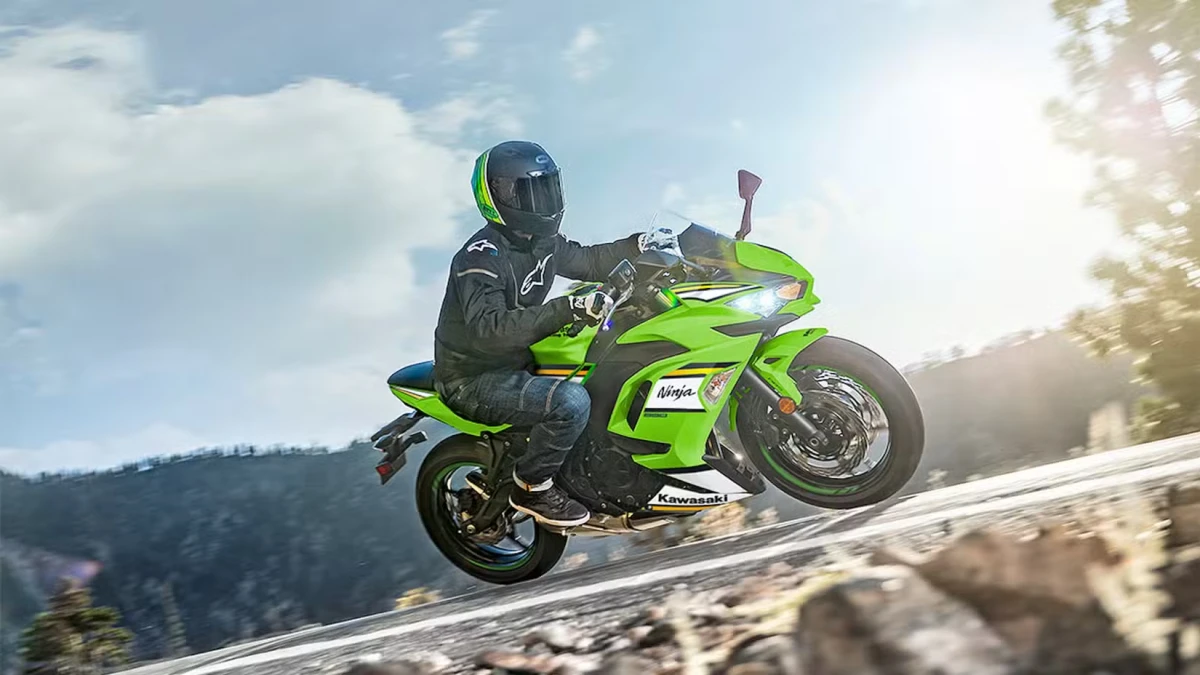
While many motorcycles in this segment are inspired by racing machines and prioritize track performance above all else, the Ninja 650 follows a different philosophy. Kawasaki has focused on creating a motorcycle that delivers sporty looks and engaging performance without sacrificing comfort, practicality, or rider confidence.
As a result, the Ninja 650 has become a popular choice among first-time sport bike buyers, returning riders, commuters, and even experienced motorcyclists looking for a balanced daily machine.
Unlike traditional supersport motorcycles that often demand aggressive riding techniques and constant high-RPM operation, the Ninja 650 focuses on delivering a user-friendly riding experience.
The motorcycle combines manageable power, upright ergonomics, rider-assistance technology, and a practical design that works equally well on city streets, highways, and weekend rides.
This approach has allowed Kawasaki to create a motorcycle that appeals to a much broader audience than many of its competitors.
Forgiving Power Delivery That Builds Rider Confidence
One of the most important factors for new riders is how a motorcycle delivers its power. High-horsepower sport bikes can be intimidating because they often produce explosive acceleration at higher engine speeds.
The Ninja 650's 649cc parallel-twin engine produces approximately 67 horsepower, a figure that strikes an effective balance between excitement and control. Rather than focusing on extreme top-end performance, Kawasaki tuned the engine to provide strong low- and mid-range torque.
This means riders can enjoy responsive acceleration without constantly revving the engine. The predictable power delivery makes the motorcycle easier to manage in urban environments and less intimidating for less experienced riders.
- Smooth throttle response
- Strong low-end torque
- Predictable acceleration
- Lower learning curve for beginners
- Excellent city riding characteristics
- Less top-end excitement than supersport motorcycles
- Not designed for maximum racetrack performance
- Engine note lacks the character of some inline-four rivals
Comfortable Ergonomics Designed for Real-World Riding
Comfort often becomes a deciding factor after the initial excitement of motorcycle ownership fades. Riders quickly discover that an aggressive riding position can create fatigue during daily commuting and longer trips.
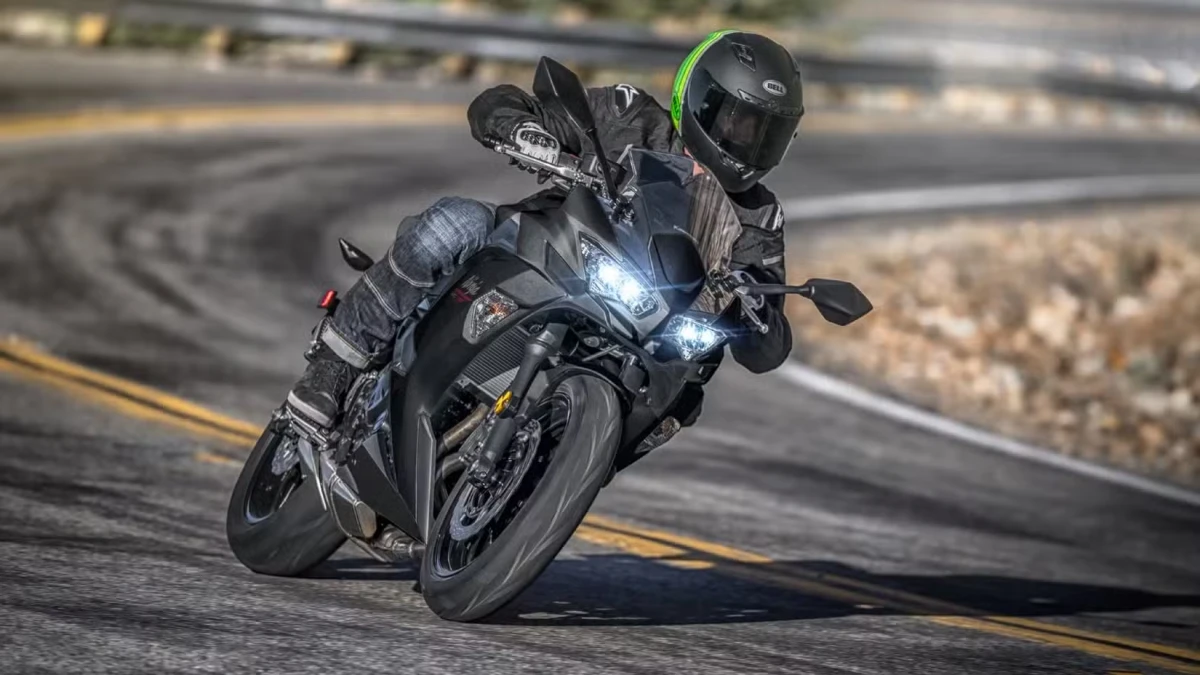
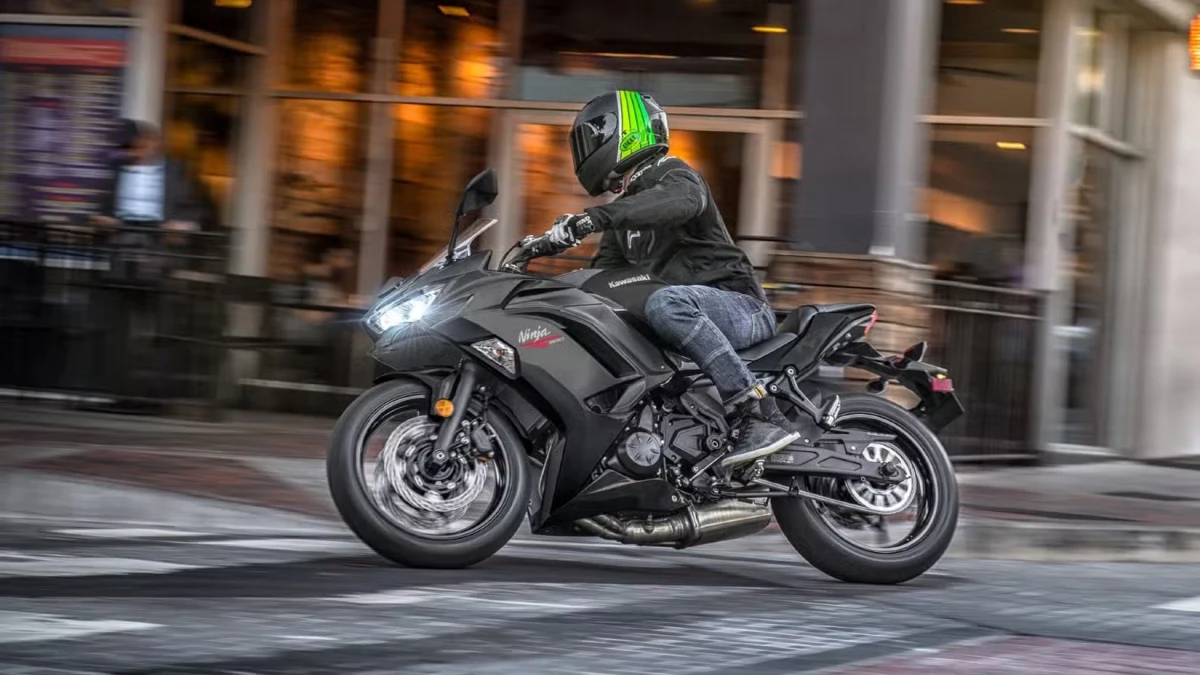
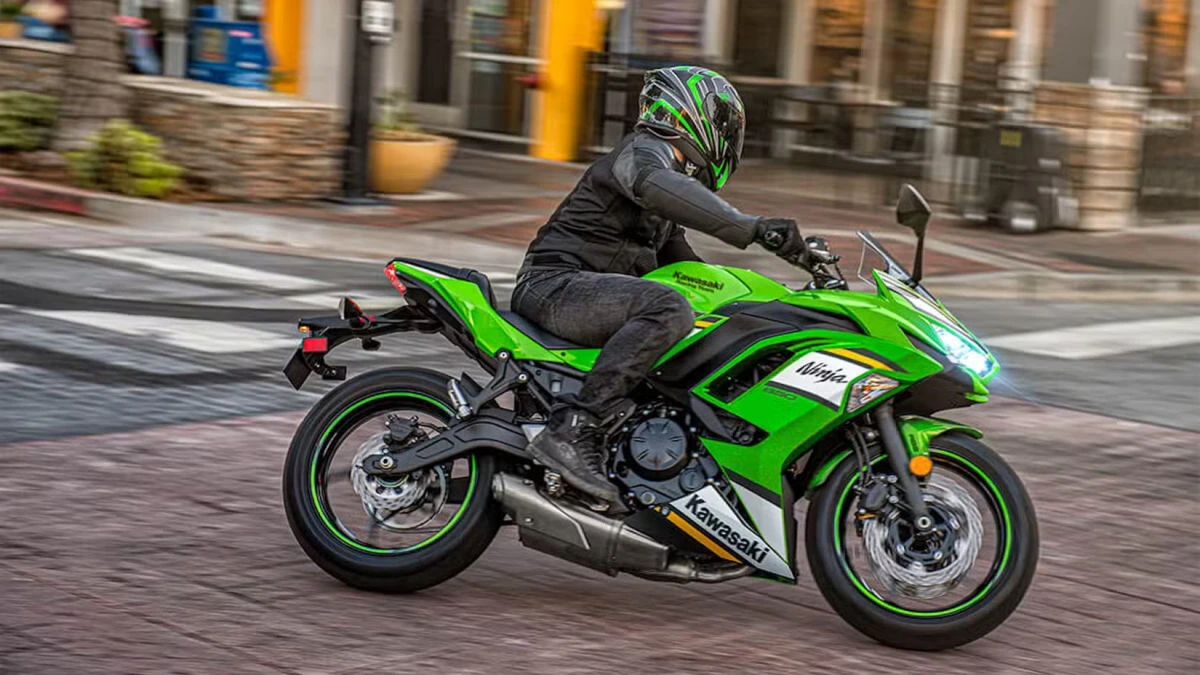
Kawasaki addressed this challenge by giving the Ninja 650 a more upright seating position than many sport bikes. Higher handlebars and lower footpegs create a relaxed rider triangle that reduces strain on the wrists, shoulders, and lower back.
This ergonomic setup makes the motorcycle significantly more practical for commuting while still maintaining a sporty appearance.
Why It Matters
The Ninja 650's success highlights a growing trend within the motorcycle market. Many riders are prioritizing versatility, comfort, and usability instead of chasing extreme performance figures.
For beginners, that means a motorcycle that inspires confidence. For experienced riders, it means a machine capable of handling everyday transportation without sacrificing enjoyment.
Technology That Supports Safer Riding
Modern motorcycles increasingly rely on electronics to improve safety and rider confidence. Kawasaki has incorporated several key technologies into recent Ninja 650 models.
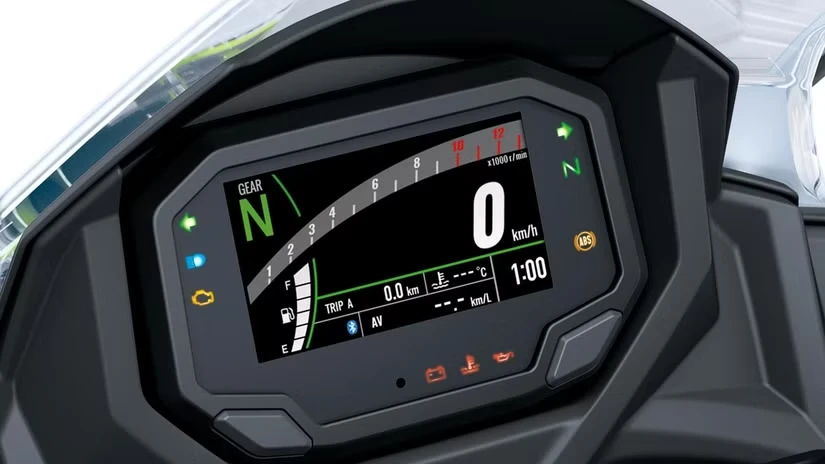
TFT Color Instrument Display
The full-color TFT display offers improved visibility and provides essential information in a modern, easy-to-read format.
Kawasaki Traction Control (KTRC)
Kawasaki's traction control system offers multiple intervention levels, helping riders maintain grip when road conditions become less predictable.
Anti-Lock Braking System (ABS)
ABS continues to be one of the most valuable safety features available on motorcycles. It helps reduce the risk of wheel lock-up during emergency braking situations.
How the Kawasaki Ninja 650 Compares to Its Rivals
| Feature | Kawasaki Ninja 650 | Yamaha R7 | Honda CBR650R |
|---|---|---|---|
| Engine Type | 649cc Parallel Twin | 689cc Parallel Twin | 649cc Inline-Four |
| Power Delivery | Smooth and Predictable | Aggressive Mid-Range | High-RPM Performance |
| Riding Position | Relaxed | Aggressive | Balanced Sport |
| Best Use | Commuting and Touring | Track Days | Sport Touring |
Final Verdict
The Kawasaki Ninja 650 remains one of the most balanced motorcycles in the middleweight sport bike category.
By combining approachable performance, comfortable ergonomics, modern technology, and everyday practicality, Kawasaki has created a motorcycle that continues to appeal to both beginners and experienced riders. For anyone searching for a versatile sport bike that can handle commuting, weekend rides, and long-distance travel, the Ninja 650 remains one of the strongest options available.
Frequently Asked Questions
What's Your Reaction?
 Like
0
Like
0
 Dislike
0
Dislike
0
 Love
0
Love
0
 Funny
0
Funny
0
 Wow
0
Wow
0
 Sad
1
Sad
1
 Angry
0
Angry
0








Comments (0)