
US Postal Service Defends Mail Voting Data Plan Amid Growing State Pushback
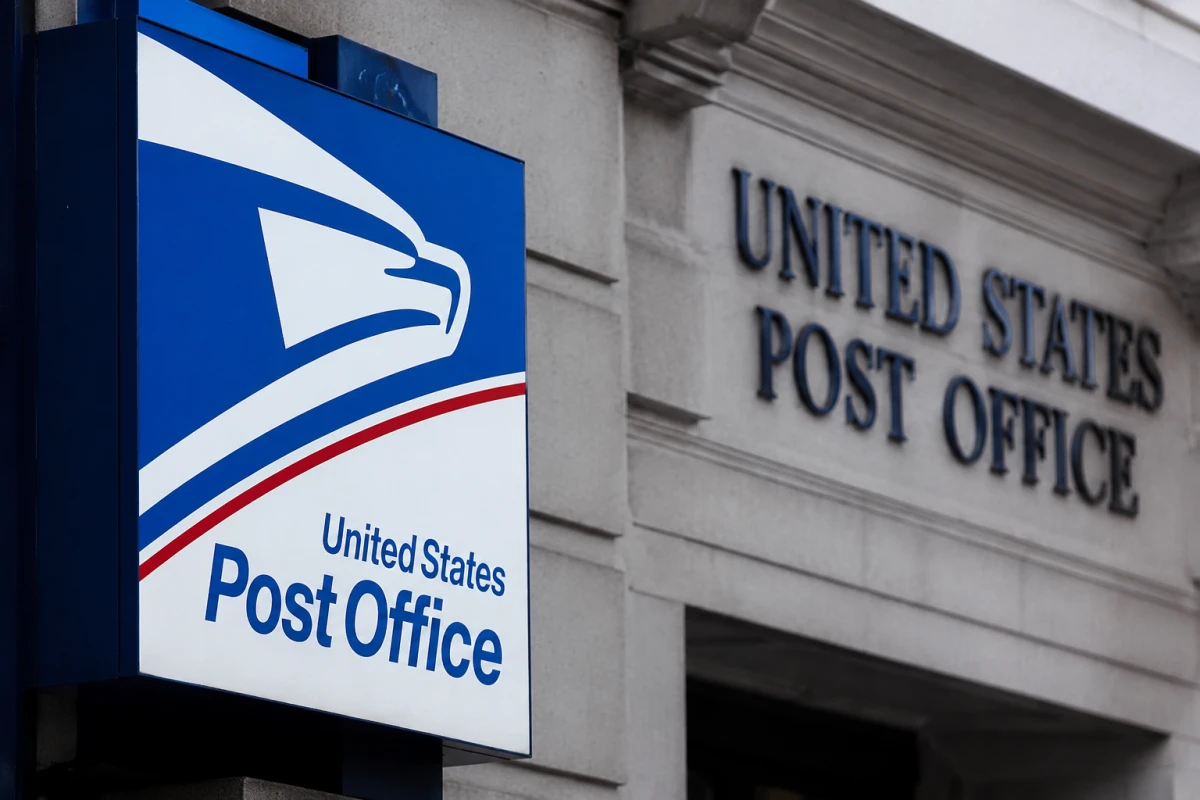
The U.S. Postal Service is defending a proposed mail voting rule that would require states to share voter lists and ballot barcode data before federal mail ballots are delivered. The proposal, backed by President Donald Trump’s election order, has triggered sharp criticism from Democratic senators, voting rights advocates and state officials who say it could reshape how mail-in voting is administered in the United States.

What Happened
U.S. Postmaster General David Steiner defended a controversial proposal during a Senate Homeland Security and Governmental Affairs Committee hearing on Wednesday, June 24. The plan would require states to provide the U.S. Postal Service with lists of voters who received mailed ballots, along with barcode information connected to outbound and return ballot envelopes.
The proposal follows a broader election-related executive order from President Donald Trump that seeks to tighten rules around mail-in voting and voter eligibility verification. Under the USPS plan, states that refuse to provide the requested information could face a major consequence: the Postal Service would not deliver ballots in those states.
That possibility placed the proposal at the center of a larger dispute over election authority. In the United States, elections are primarily administered by states and local governments, while USPS traditionally serves as the carrier that transports election mail. Critics argue the proposed rule would move USPS from a delivery role into an enforcement role.
Key Details
According to the proposal, states would need to provide names and barcodes associated with mail-in ballots. USPS says unique barcodes on outbound and return ballot envelopes could help verify whether ballot mail complies with federal requirements and could support law enforcement efforts if irregularities are identified.
Steiner argued that the plan is designed to improve efficiency and align USPS operations with data practices already used in some states. His central argument was that USPS needs a reliable way to match the ballots states say they are sending with the ballots that actually enter the mail system.
Opponents see the matter differently. Democratic senators say the plan would create a coercive system in which states must provide voter data or risk disruption to mail voting. They also argue that the proposal could create confusion before federal elections, particularly in states where absentee and mail-in voting are widely used.
The debate is also tied to pending lawsuits over Trump’s March executive order. Voting rights groups and Democratic-led states have challenged parts of the order, arguing that it exceeds presidential authority and interferes with state-run election systems.
What Was Said
“We match the ballots that a state believes they’re sending out to what actually gets sent out.”
Steiner presented the proposal as an operational and tracking measure, not as a political intervention. However, Democratic Senator Gary Peters, the top Democrat on the committee, said the rule would pressure states to hand over absentee voter rolls or risk having voters lose access to mail ballots.
All 47 Democratic senators also urged USPS to drop the proposal, describing it as an unlawful attempt to turn the Postal Service into an election administration body influenced by the White House. Senator Elissa Slotkin went further, accusing Steiner of being used in Trump’s broader effort to challenge election systems he distrusts.
Why It Matters
The proposal matters because mail voting is a major part of election access in many states. Millions of voters rely on absentee or mail-in ballots because of age, disability, work schedules, military service, travel, distance from polling places or state election rules that allow broad vote-by-mail participation.
If USPS gains the ability to reject or delay ballot delivery based on state compliance with federal data demands, the practical impact could be significant. States may have to adjust election procedures, update ballot tracking systems, share additional voter data and respond to new federal requirements close to election deadlines.
The issue also raises privacy concerns. Voter lists are often public in some form, but the combination of names, ballot tracking information and federal election processing data could create new questions about how sensitive election information is collected, stored and used.
For election administrators, the proposal could create new operational burdens. States would need to coordinate with USPS before ballots are mailed, ensure barcode systems meet the new standards and resolve mismatches quickly enough to avoid delaying voters’ ballots.
For voters, the central concern is simpler: whether a federal rule could affect their ability to receive and return a mail ballot on time. That is why the proposal is likely to remain a major legal and political issue as the election calendar moves forward.
What Happens Next
The USPS proposal is still subject to review, public comment and possible legal challenges. If finalized, it could face court scrutiny over whether the Postal Service has authority to impose these conditions on states for federal election mail.
Several lawsuits are already moving forward against Trump’s broader election order. Courts are examining whether the executive branch can direct agencies to impose new voting-related requirements when the Constitution gives states and Congress central roles in election regulation.
State election officials will also need to decide how to respond if the rule advances. Some states may prepare compliance plans, while others may challenge the rule or wait for courts to determine whether it can legally take effect.
The next major developments to watch are the end of the public comment process, any final USPS rulemaking decision, and federal court rulings on the broader mail voting executive order.
Key Facts
- USPS is proposing to require states to provide voter names and ballot barcode data for federal mail ballots.
- Postmaster General David Steiner defended the plan during a Senate hearing on June 24.
- The proposal is linked to President Donald Trump’s broader executive order on federal election integrity.
- Democratic senators argue the plan could turn USPS into an election administration agency.
- Legal challenges are already underway against parts of Trump’s mail voting order.
Conclusion
The USPS mail voting data plan has become a major flashpoint in the national debate over election administration, ballot access and federal authority. Supporters frame it as a tracking and compliance measure, while critics warn it could disrupt mail-in voting and pressure states to share sensitive election data. The most important question now is whether the proposal can survive legal review before it affects future federal elections.
Frequently Asked Questions
What's Your Reaction?
 Like
0
Like
0
 Dislike
0
Dislike
0
 Love
0
Love
0
 Funny
0
Funny
0
 Wow
0
Wow
0
 Sad
0
Sad
0
 Angry
0
Angry
0









Comments (0)