
Russia's Putin Acknowledges Fuel Shortages as Task Force Moves to Secure Supplies
Russia fuel shortages have become serious enough for President Vladimir Putin to publicly acknowledge supply problems across several regions, as the Kremlin creates a task force to stabilize fuel distribution and considers new restrictions on diesel exports.

What Happened
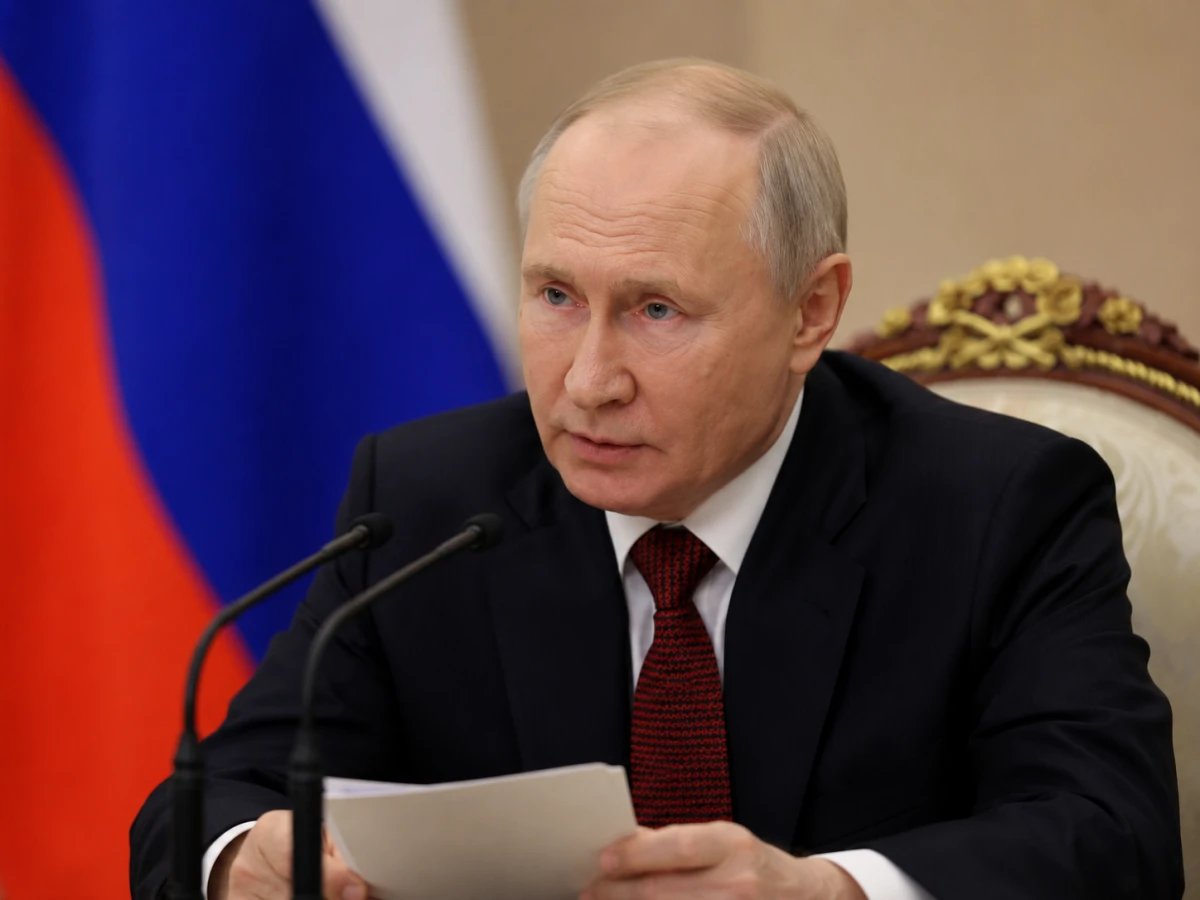
Russian President Vladimir Putin acknowledged on Sunday that fuel supply problems have created shortages in parts of Russia, marking a notable public admission as pressure grows on the country’s domestic energy system. The comments came during a meeting with senior officials focused on fuel distribution and the measures needed to keep supplies moving across the country.
According to Reuters, Putin said a task force had been set up to help ensure sufficient quantities of fuel are provided throughout Russia. His remarks came as several regions have faced shortages, queues at gas stations, limits on fuel sales and rising concern from businesses that depend on stable access to gasoline and diesel.
The Kremlin’s response shows that fuel availability has moved from a regional inconvenience to a national management issue. While Russia remains one of the world’s major oil producers, producing crude oil is not the same as delivering refined gasoline and diesel to consumers, farms, transport companies and local businesses.
The Associated Press also reported on the broader wartime context, noting that Ukrainian drone attacks have continued to target Russian energy infrastructure. Those attacks have added pressure to refineries, oil hubs and distribution networks already dealing with maintenance issues, logistical bottlenecks and seasonal demand.
Putin’s meeting focused not only on fuel for ordinary drivers but also on the agricultural sector. That detail matters because fuel shortages can affect planting, harvesting, food transport and regional supply chains. In a country as large as Russia, disruption in fuel distribution can quickly become a problem for both local economies and national planning.
Key Details
One of the most important measures under discussion is a possible ban on diesel exports. Diesel is essential for agriculture, freight transport, industrial operations and military logistics. Restricting exports could keep more fuel inside Russia, but it could also affect international markets because Russia has historically been a significant diesel supplier.
Russian Deputy Prime Minister Alexander Novak has previously said the fuel market situation is difficult but under control. Officials have also discussed other measures, including changes to tax rules, greater use of reserves, adjustments to refinery maintenance schedules and possible fuel imports to ease domestic pressure.
The shortages have been reported across multiple regions. In some areas, fuel stations have limited the amount drivers can buy. In others, local authorities have prioritized supplies for essential services. These steps are designed to prevent panic buying and keep fuel available for emergency vehicles, public services, agriculture and commercial transport.
The problem is not limited to one cause. Ukrainian attacks on refineries and energy facilities have disrupted parts of Russia’s fuel system. At the same time, fuel distribution across Russia’s vast territory depends on rail, road, storage terminals and regional planning. When refining capacity is reduced or transport networks are strained, shortages can appear quickly in distant regions.
Putin also said the government must ensure sufficient fuel for the farm sector. That instruction is especially important as agriculture depends heavily on diesel for machinery, harvesting equipment and transport. If farmers cannot secure enough fuel at the right time, the impact can extend beyond gas stations and into food production and regional prices.
What Was Said
“This is a difficult period.”
Putin’s acknowledgment of a difficult period is significant because Russian officials often frame domestic disruptions as manageable or temporary. By publicly addressing the fuel shortage issue, the Kremlin is signaling that the problem requires direct coordination from senior officials rather than routine market adjustment.
Reuters reported that Putin called for measures to ensure stable fuel supplies, including sufficient deliveries for agriculture. He also said officials were working through a task force to keep supply available across the country. The message was aimed at both regional authorities and the public: the Kremlin wants to show that it is responding before shortages become more politically sensitive.
Novak’s comments add another layer to the government’s position. He has described the situation as challenging while suggesting that Russia has tools available to manage it. That balance reflects the official line: acknowledge pressure, avoid panic and present the response as organized.
Why It Matters
The Russia fuel shortages matter because fuel is not just a consumer product. It is a basic input for transportation, agriculture, logistics, industry and public services. When gasoline and diesel become scarce, the effects can spread from individual drivers to food producers, delivery companies, factories and local governments.
The timing also matters. Putin’s call to protect the agricultural sector suggests concern about seasonal demand. Farms require reliable diesel access during critical production windows. If shortages hit at the wrong time, farmers may face delays, higher costs or reduced efficiency, which can later affect food supply chains.
The issue also has geopolitical importance. Ukraine has increasingly targeted Russian energy infrastructure as part of its broader war strategy. Attacks on refineries, oil depots and fuel networks can reduce Russia’s ability to refine crude into usable products, even when crude oil production remains available.
For global energy markets, a possible diesel export ban would be important. Diesel is used in freight, farming, shipping and industry. If Russia keeps more diesel at home, some buyers may need to find alternative suppliers. That could tighten regional supply and add price pressure depending on the scale and duration of any restrictions.
Domestically, the shortages may also test the Russian government’s ability to manage wartime economic pressure. Moscow has spent years adapting to sanctions, export restrictions and war-related costs. However, visible shortages at gas stations are politically sensitive because they affect everyday life in a direct and immediate way.
What Happens Next
The next step is whether Moscow imposes a full diesel export ban or relies on other tools to stabilize the market. Officials may prefer targeted restrictions, tax incentives, refinery adjustments and reserve releases before taking broader export action. A full ban could help domestic supply but may create new trade and revenue complications.
The task force will likely focus on matching available fuel with regional demand. That could include prioritizing agricultural producers, essential services, public transportation and regions facing the most severe shortages. Authorities may also continue limiting fuel sales in some areas to prevent panic buying.
Another key question is whether refinery disruptions continue. If Ukrainian attacks keep damaging energy infrastructure, Russia may struggle to restore normal supply levels quickly. Refineries are complex facilities, and repairs can take time, especially when sanctions complicate access to equipment and technology.
For consumers, the most immediate signs to watch are fuel station queues, rationing rules, regional price changes and official statements about export restrictions. For businesses, the bigger concern is whether shortages remain localized or develop into a broader supply problem affecting logistics and production.
For international markets, the most important development would be confirmation of a diesel export ban. If Moscow announces broader restrictions, traders and importers will reassess supply routes. That could influence diesel prices in affected markets, especially where Russian fuel has played a major role.
Key Facts
- Vladimir Putin acknowledged that fuel supply problems have created shortages in Russian regions.
- A task force has been created to help ensure sufficient fuel supplies across the country.
- Russia is considering a possible ban on diesel exports to protect domestic supply.
- The agricultural sector is a priority because farms depend heavily on diesel for machinery and transport.
- Reuters and The Associated Press have reported on the shortages and the broader context of Ukrainian attacks on Russian energy infrastructure.
Conclusion
Russia fuel shortages have become a major domestic issue for the Kremlin, forcing Vladimir Putin to acknowledge supply problems and order a coordinated response. The creation of a task force, the focus on agriculture and the possible diesel export ban show that Moscow is trying to prevent regional shortages from becoming a wider economic and political challenge.
What happens next will depend on whether Russia can restore refinery output, improve distribution and avoid deeper disruption from continued attacks on energy infrastructure. Readers should watch for official decisions on diesel exports, new regional fuel limits and further reports from Reuters, The Associated Press and Russian government officials about the state of domestic fuel supplies.
Frequently Asked Questions
What's Your Reaction?
 Like
0
Like
0
 Dislike
0
Dislike
0
 Love
0
Love
0
 Funny
0
Funny
0
 Wow
0
Wow
0
 Sad
0
Sad
0
 Angry
0
Angry
0









Comments (0)