
UK Considers Rules to Prioritize Trusted News on Social Media Platforms
The UK is considering rules that could force social media platforms to make trusted news from public service media easier to find.

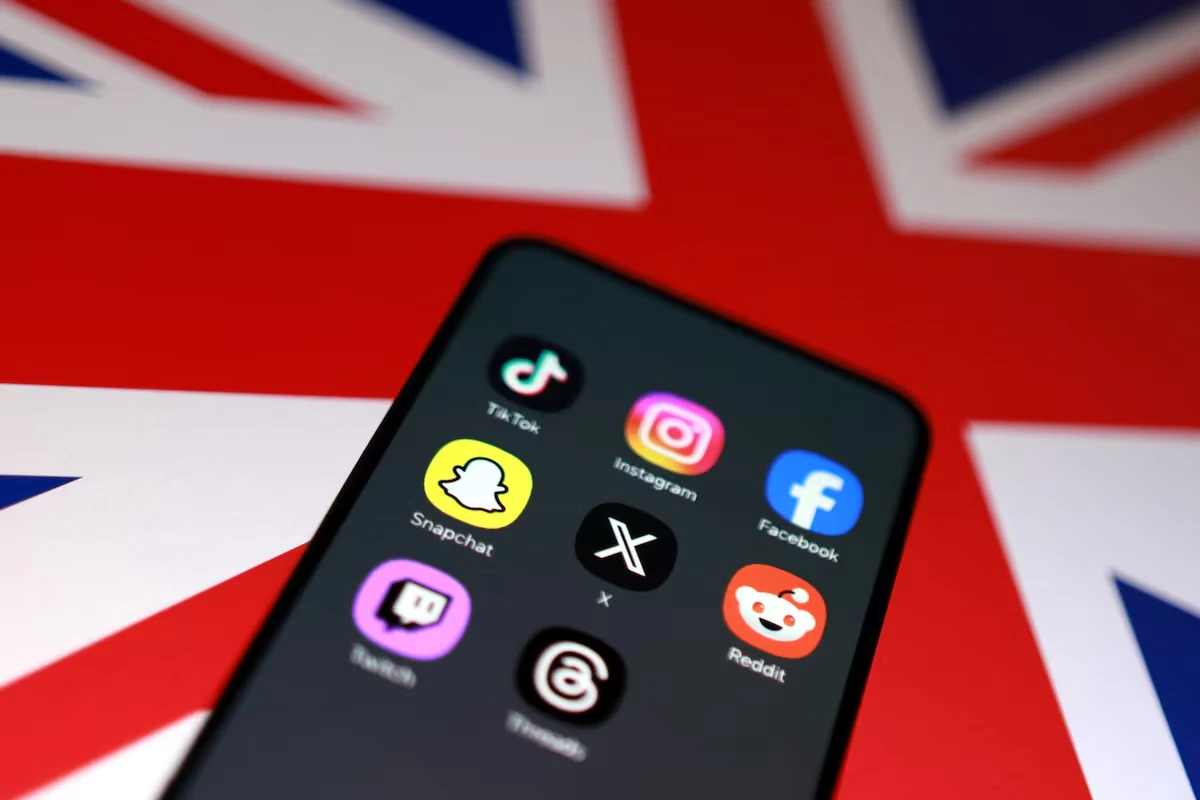
The United Kingdom is considering new social media regulation that could require major platforms to make trusted news sources easier to find, as the government seeks to respond to misinformation, changing news habits and the growing power of algorithm-driven feeds.
What Happened
Britain is considering whether social media companies should be required to make trusted news sources more prominent across feeds, searches and recommendation systems. The proposal is part of a wider government effort to update media rules for a digital environment where millions of people now get news through platforms rather than traditional television, radio or newspapers.
The measure could apply to major platforms such as Meta’s Facebook, Alphabet-owned YouTube and TikTok. Under the idea being considered, content from public service media, including the BBC, ITV and Channel 4, could become easier for users to discover. The government is also considering whether other trusted news providers, potentially including regulated or established news organizations, should receive similar treatment.
Culture minister Lisa Nandy said the government wants people to have better access to trusted and accurate news, especially as misinformation and disinformation compete for attention online. The proposal comes at a time when social media has become one of the most important gateways to news for adults in the UK and an especially dominant source for younger audiences.
Why the UK Is Looking at Trusted News Online
The debate reflects a major shift in how people consume information. Public service broadcasters were built around television and radio, but audiences increasingly encounter news through mobile apps, short videos, search functions and personalized feeds. That means editorially regulated news providers are competing directly with influencers, anonymous accounts, foreign content networks, entertainment pages and algorithm-friendly viral posts.
For the government, the concern is not only about the future of broadcasters. It is also about public access to verified information during moments of national importance. During elections, public health emergencies, major security incidents or civil unrest, false claims can spread quickly before official or verified reporting reaches users. Giving trusted news more prominence could be seen as one way to reduce that information gap.
Ofcom research has shown that four in ten UK adults said they encountered misinformation or deepfake content during a four-week period in 2024. Most of that exposure happened online, which helps explain why policymakers are focusing on digital platforms rather than only traditional media regulation.
Why It Matters
The proposal matters because it could change the relationship between governments, news organizations and social media platforms. For years, platforms have argued that their feeds are shaped by user behavior, recommendation systems and platform rules. A requirement to prioritize certain news providers would move the UK closer to direct regulation of online content visibility.
Supporters may see the idea as a practical response to misinformation. If users are already getting much of their news from social media, then reliable reporting should not be buried beneath unverified or misleading content. Public service media are subject to editorial rules and public obligations, which the government believes can help provide a trustworthy information baseline.
However, the policy could also raise difficult questions. Who decides which news sources are trusted? Would large broadcasters benefit at the expense of independent outlets, local journalists or digital creators? Could users feel that platforms are being forced to show them government-approved media? These questions are likely to shape the debate if the proposal moves forward.
How It Could Affect Social Media Platforms
If adopted, the rules could require platforms to review how their algorithms treat news from public service media. That could mean adjusting search rankings, recommendation systems, trending sections, video suggestions or feed placement. The exact mechanism has not been finalized, but the central idea is to make trusted news easier to find.
For companies such as Meta, YouTube and TikTok, the proposal could create technical, editorial and legal challenges. Platforms may argue that ranking content is central to how their products work. They may also say that forcing prominence for certain providers could reduce personalization, disadvantage creators and interfere with user choice.
Another challenge is implementation. Social media platforms host huge volumes of content in real time. News content appears in many formats, including articles, clips, livestreams, commentary videos, screenshots and reposts. Regulators would need to define what counts as trusted news, how prominence should work and how compliance would be measured.
How It Could Affect News Providers and Users
For public service broadcasters such as the BBC, ITV and Channel 4, the proposal could strengthen visibility in a media market increasingly shaped by platforms. These organizations still play a major role in UK public life, but their ability to reach audiences depends more than ever on distribution systems they do not control.
For users, the effect could be more visible access to verified reporting when searching for news or scrolling through feeds. In theory, this could help people compare claims against established reporting and reduce exposure to misleading content during fast-moving events.
Still, the user experience could vary. Some people may welcome more reliable news in their feeds. Others may see it as unnecessary intervention in what they choose to watch or read. The political sensitivity is high because news ranking can influence public debate, trust in institutions and perceptions of fairness.
The Bigger Media Reform Behind the Proposal
The trusted news proposal is part of a broader review of Britain’s public service media system. Ministers are looking at how broadcasters can compete with streaming platforms, online video services and changing viewing habits. The reforms may also examine whether public service media status should expand to include online-only providers.
The government is also considering protections for major sporting events so that free-to-air access can extend more effectively into the on-demand era. As audiences move away from scheduled television, policymakers are trying to ensure that important national events remain widely available, not only to people with paid streaming subscriptions.
Another issue under review is the long-term shift from traditional broadcast television to internet-based TV. Officials are considering future timelines, including possible transitions in 2034 or 2044. That debate is especially important for older viewers, rural communities and people with limited internet access.
What Happens Next
The proposal is not yet final. The government is considering options, and any formal rule would likely face consultation, industry lobbying and parliamentary scrutiny. Social media companies, broadcasters, publishers, digital rights groups and creator communities are all likely to push for influence over the final shape of the policy.
The biggest unresolved question is definition. A policy built around trusted news needs a transparent standard for determining which organizations qualify. Without clear criteria, the measure could face criticism for favoring legacy media or creating uncertainty for smaller outlets.
For now, the UK is signaling that online platforms may face stronger expectations not only around harmful content, but also around the visibility of reliable information. That marks an important shift in digital regulation: the debate is no longer only about what should be removed, but also about what should be easier to find.
Key Facts
- The UK is considering rules that could require social media platforms to prioritize trusted news sources.
- Public service media such as the BBC, ITV and Channel 4 could receive greater prominence in feeds and searches.
- The proposal is linked to concerns about misinformation, disinformation and changing news consumption habits.
- Platforms such as Facebook, YouTube and TikTok could face scrutiny if the rules move forward.
- The plan is part of a wider review of Britain’s public service media and broadcasting system.
- Key questions remain over how “trusted news” would be defined and how platforms would comply.
Conclusion
The UK’s proposal to make trusted news more prominent on social media reflects a broader struggle over information, technology and public trust. As more people rely on algorithmic feeds for news, governments are looking for ways to ensure reliable reporting remains visible. The challenge will be designing rules that improve access to accurate information without undermining user choice, independent creators or public confidence in an open digital media system.
What's Your Reaction?
 Like
0
Like
0
 Dislike
0
Dislike
0
 Love
0
Love
0
 Funny
0
Funny
0
 Wow
0
Wow
0
 Sad
0
Sad
0
 Angry
0
Angry
0





Comments (0)