
Nasdaq 100 Set to Lose Over $1 Trillion as AI Selloff Deepens and SpaceX Slides
The Nasdaq 100 is heading toward one of its biggest technology-driven selloffs in recent years as investors reassess artificial intelligence spending, rising interest rate expectations and the rapid decline of SpaceX shares. Premarket trading on June 23, 2026, suggested the index could erase more than $1 trillion in market value, highlighting growing concerns about whether the AI boom can justify current stock market valuations.

What Happened
Technology stocks faced intense selling pressure ahead of Tuesday's trading session as investors rapidly pulled money from some of the market's most valuable companies. The Nasdaq 100, which includes many of the world's largest technology firms, appeared set to suffer one of its largest market-value declines of the year.
The downturn reflects a significant shift in investor sentiment. For more than two years, enthusiasm surrounding artificial intelligence fueled a historic rally across technology stocks. Companies invested billions of dollars into AI chips, data centers, cloud infrastructure and advanced software platforms, helping push valuations to record highs.
Now, however, investors are increasingly asking a difficult question: when will these massive investments begin producing meaningful returns?
That uncertainty triggered broad selling across the technology sector, particularly among companies heavily exposed to artificial intelligence spending and long-term growth expectations.
Key Details
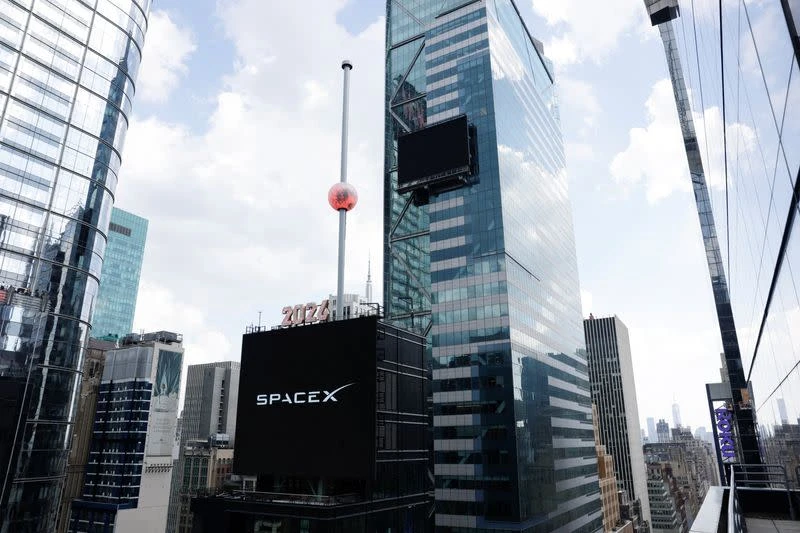
At the center of the market turbulence is SpaceX. Following one of the most anticipated public offerings in recent memory, the company experienced a dramatic rise after pricing its Nasdaq debut at $135 per share. Investor enthusiasm quickly pushed the stock to an intraday high of $226 on June 16.
That momentum has now reversed. Premarket trading showed SpaceX shares falling to approximately $149.10, placing the stock well below its recent highs and reducing the company's market capitalization to roughly $1.95 trillion.
The decline means many investors who purchased shares after the IPO are now facing losses. Analysts point to several contributing factors, including concerns about valuation levels, a relatively limited supply of freely traded shares and plans to issue more than $20 billion in bonds.
Those concerns intensified profit-taking activity among both institutional and retail investors, accelerating the stock's decline and contributing to broader weakness across the technology sector.
Meanwhile, concerns surrounding artificial intelligence spending continue to grow. Major cloud providers and technology companies have committed hundreds of billions of dollars toward AI infrastructure projects. While executives argue these investments are necessary to remain competitive, investors are increasingly demanding evidence that such spending will generate sufficient returns.
The issue has become particularly important because many technology companies are already trading at elevated valuation multiples. Any indication that growth could slow or profits could take longer to materialize can trigger significant market reactions.
What Was Said
Investors are reassessing whether current artificial intelligence spending levels can be justified by near-term revenue growth and profitability expectations.
Although market participants remain optimistic about the long-term potential of artificial intelligence, many analysts believe the industry may be entering a period of greater scrutiny. Instead of rewarding companies simply for investing in AI, investors are increasingly focusing on measurable financial outcomes.
Another factor weighing on sentiment is the changing interest-rate outlook. Markets are now pricing in the possibility of two additional Federal Reserve rate hikes by the end of 2026 under Chair Kevin Warsh. Higher rates generally increase borrowing costs and reduce the attractiveness of high-growth technology stocks whose valuations depend heavily on future earnings.
The departure of several high-profile AI researchers from major technology firms has also contributed to investor uncertainty. The move by prominent talent, including Nobel Prize-winning researcher John Jumper from Google DeepMind to AI startup Anthropic, has reinforced concerns that competition within the AI sector is becoming increasingly fragmented.
Why It Matters
This selloff matters because it highlights a potentially significant turning point for technology markets. For years, investors rewarded companies for pursuing aggressive growth strategies and investing heavily in artificial intelligence.
The latest market reaction suggests investors may now be prioritizing profitability and capital efficiency over future promises. If this trend continues, technology companies could face increased pressure to justify their spending plans and demonstrate measurable returns on investment.
The implications extend far beyond individual stocks. The Nasdaq 100 has become a major benchmark for global technology investing, meaning large declines can affect retirement accounts, mutual funds, exchange-traded funds and pension portfolios worldwide.
The correction also raises broader questions about whether the AI boom is entering a more mature phase. While few analysts doubt the long-term importance of artificial intelligence, investors appear increasingly cautious about paying premium valuations for future growth that has not yet materialized.
Additionally, higher interest rates could create a more challenging environment for technology companies. Borrowing costs influence everything from corporate financing to infrastructure expansion plans, making monetary policy a critical factor for the sector.
What Happens Next
Investors will closely monitor upcoming Federal Reserve communications for additional clues about future interest rate decisions. Any indication that policymakers intend to maintain a hawkish stance could place further pressure on growth-oriented technology stocks.
Corporate earnings reports will also play a critical role. Investors want evidence that artificial intelligence investments are producing tangible financial benefits through revenue growth, productivity gains and improved profit margins.
SpaceX will remain a key focus as traders assess whether the recent decline represents a temporary correction or a broader reevaluation of the company's valuation. Future debt issuance plans and insider activity could significantly influence investor sentiment.
Global markets are likely to remain sensitive to developments in the technology sector. Recent declines in South Korea's Kospi index and losses among European semiconductor equipment manufacturers demonstrate how interconnected modern financial markets have become.
If technology stocks stabilize and earnings remain strong, investors may regain confidence. However, if concerns about AI spending and interest rates continue to intensify, additional volatility could emerge in the weeks ahead.
Key Facts
- Nasdaq 100 is projected to lose more than $1 trillion in market value.
- SpaceX has shed over $600 billion in market capitalization within three sessions.
- SpaceX shares fell from a post-IPO high of $226 to approximately $149.
- Markets are pricing in two Federal Reserve rate hikes before the end of 2026.
- Technology stocks across the United States, Europe and Asia are experiencing broad selling pressure.
Conclusion
The Nasdaq 100 selloff represents one of the most significant tests for technology investors since the artificial intelligence boom accelerated global markets. Concerns surrounding AI spending, rising interest rates and SpaceX's rapid decline have combined to erase hundreds of billions of dollars in value across the sector. While the long-term outlook for artificial intelligence remains strong, investors are increasingly demanding proof that massive investments can generate sustainable returns. In the coming weeks, attention will focus on Federal Reserve policy, corporate earnings and whether technology leaders can restore confidence in the next phase of AI-driven growth.
What's Your Reaction?
 Like
0
Like
0
 Dislike
0
Dislike
0
 Love
0
Love
0
 Funny
0
Funny
0
 Wow
0
Wow
0
 Sad
0
Sad
0
 Angry
0
Angry
0












Comments (0)