
Uber and Waymo End Phoenix Robotaxi Partnership as Uber Prepares a New Autonomous Vehicle Deal
Uber and Waymo have ended their robotaxi partnership in Phoenix, closing a limited pilot that once symbolized a new phase of cooperation between two longtime rivals. The move matters because Phoenix was an early proving ground for commercial autonomous rides, and the split now raises a bigger question for the industry: whether ride-hailing platforms such as Uber can remain central as robotaxi operators grow large enough to serve riders directly.

What Happened
Uber’s Phoenix robotaxi arrangement with Waymo has come to an end, bringing a close to one of the most closely watched autonomous vehicle partnerships in the United States. Phoenix was not just another launch market. It was one of the earliest large-scale real-world laboratories for driverless ride-hailing, and it carried symbolic weight because Waymo had already established the city as a core testing and commercial market years earlier.
The partnership in Phoenix began as a practical experiment with strategic implications. Waymo had already built brand recognition in the area through its own app, while Uber brought a vast rider network, dispatch expertise, and a strong case for becoming the preferred marketplace for autonomous rides. For a while, the partnership suggested a possible industry model: robotaxi operators could supply the vehicles and autonomy technology, while Uber could handle demand aggregation, trip matching, and commercial scale.
That idea now looks less certain in Phoenix. Uber said the deployment there had always been intentionally limited, involving slightly more than a dozen vehicles. Even so, the pilot was significant because it showed how far the robotaxi sector had moved from small demonstrations to daily commercial service. The companies said the ride-hailing portion of the partnership ended after hundreds of thousands of trips, while the delivery portion had already concluded earlier.
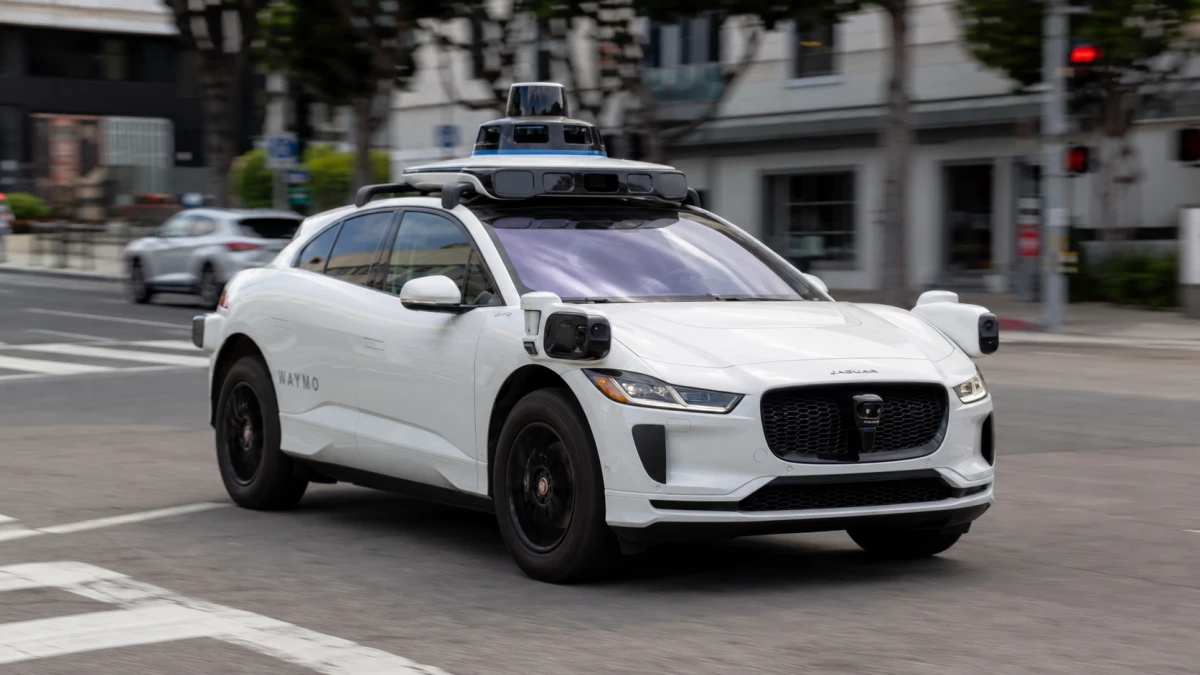
Waymo riders in Phoenix can still book autonomous rides, but now they do so through the Waymo app rather than through Uber in that market. In other words, the service itself has not disappeared. What has changed is the distribution channel. That distinction is important, because it shows the difference between autonomous mobility existing as a transportation service and autonomous mobility being controlled through a particular app ecosystem.
Key Details
Phoenix stood apart from other Uber-Waymo collaborations because it was the first market where Waymo had already built a recognizable direct-to-consumer presence before its cars also became available through Uber. That made the city a revealing test case. It asked whether consumers would prefer a dedicated robotaxi brand or whether they would continue to rely on a larger super-app that can bundle multiple ride types, food delivery, and local transportation options.
Now the answer appears more complicated than either side may have hoped. Waymo is reintegrating the former Uber-assigned vehicles back into its own fleet. Those vehicles are expected to support other commercial arrangements in Phoenix, including delivery and public transportation integrations. That tells us Waymo sees value in controlling fleet deployment more directly, especially in a market where it already has experience, infrastructure, and brand familiarity.
Uber, meanwhile, says it intends to launch a new autonomous vehicle program in Phoenix with another partner. The company has not yet identified that provider, but the message is clear enough: Uber does not want to cede Phoenix, and it is still committed to an aggregation strategy. Instead of betting on a single robotaxi company, Uber has been assembling a portfolio of autonomous vehicle relationships across the industry. That approach is designed to reduce dependence on any one operator and strengthen Uber’s claim that it can become the commercial layer connecting fleets to riders.
There is a broader competitive tension behind the move. Uber and Waymo are partners in some cities, but they are also competing for rider attention, app loyalty, and long-term control over the customer relationship. If a robotaxi company can scale its own network, maintain utilization, and build strong consumer demand, it may have less reason to share economics or visibility with a third-party marketplace. On the other hand, if autonomous fleets remain fragmented by geography, regulation, and operating model, then an aggregator like Uber could still play a powerful role by bringing demand together.
This is why Phoenix matters beyond Arizona. It is a case study in what happens when a robotaxi leader becomes strong enough to rely more heavily on its own direct channel while a ride-hailing giant tries to prove that neutrality and network effects still create value. The end of the local tie-up does not settle that debate. It sharpens it.
Why It Matters
The Phoenix split matters because it gives investors, competitors, and policymakers a more realistic picture of how the next phase of the autonomous vehicle market may unfold. For years, one of the big assumptions around robotaxis was that software and fleet operators would need large demand platforms to achieve meaningful scale. Uber seemed well positioned to fill that role. But if a leading operator like Waymo increasingly expands on its own terms, the power balance could shift.
That possibility is especially important for Uber. The company has spent years repositioning itself as the future commercialization layer for autonomous rides rather than trying to build a full in-house driverless stack at the same scale as specialist operators. Its argument is straightforward: autonomous driving technology may eventually become more available, but the hard part will still be matching riders, managing local operations, handling pricing, and maintaining a trusted consumer interface. In that scenario, Uber wins by being the marketplace.
Still, that thesis depends on one critical condition: major autonomous vehicle operators must be willing to plug into Uber’s network at meaningful scale. If they prefer to keep riders inside their own apps once they become operationally mature, Uber’s long-term bargaining power becomes less certain. Phoenix does not prove that outcome is inevitable, but it is a reminder that the relationship between fleet owner and distribution platform will likely vary city by city.
For Waymo, the development sends a different signal. It suggests the company is increasingly confident in running commercial service under its own brand in select markets, especially where it has already spent years building trust and operational familiarity. That confidence matters because robotaxi adoption is not only about technology. It is also about rider comfort, geographic coverage, response times, regulatory relationships, and the ability to build habitual use.
For the wider industry, this also shows that the robotaxi market is not converging around a single business model yet. Some cities may favor direct operation. Others may favor marketplace distribution. Some may blend both. The companies that win may not be those with the best slogan or the biggest pilot, but those that can adapt to different local conditions without losing control of economics or user experience.
What Happens Next
The most immediate next step is Uber’s promised announcement of a new autonomous vehicle partner in Phoenix. That decision will be closely watched because it may reveal how flexible Uber’s robotaxi strategy really is. If the company replaces Waymo quickly, it will reinforce the idea that Uber can function as a neutral platform for multiple autonomous providers. If it takes longer or launches with a smaller-scale partner, critics may question whether the aggregator model can match the speed of direct operators.
Another key development to watch is whether Uber and Waymo expand, stabilize, or eventually rethink their cooperation in other cities. Their partnership remains active in markets such as Austin and Atlanta, and those cities could become the real test of whether the relationship still has room to grow. If the collaboration continues to expand there, Phoenix may end up looking like a market-specific strategic adjustment rather than a broader rupture.
There is also a competitive question hanging over the sector. As more autonomous vehicle providers push toward commercial deployment, the market may become a patchwork of alliances rather than a winner-take-all race. Uber appears to be betting exactly on that fragmentation. The company has signed or announced deals with a wide range of autonomous vehicle developers, suggesting it believes the future will include multiple fleet operators, technologies, and commercial formats. In that environment, being the connector could still be valuable.
Yet Waymo’s scale gives it leverage that many smaller operators do not have. A company with an expanding commercial footprint, growing rider familiarity, and broader city coverage has more options. It can partner where that improves market entry, and it can go direct where that offers stronger economics or brand control. That dual path may become one of Waymo’s biggest strategic advantages in the years ahead.
Ultimately, Phoenix is less the end of a story than the start of a more revealing chapter. The autonomous vehicle market is moving beyond headline-grabbing launches and into questions about structure, control, and distribution. Who owns the rider? Who owns the app? Who controls the fleet economics? And who can scale city by city without losing momentum? Those are the questions that matter now, and the Phoenix split puts them in sharper focus.
Key Facts
- Uber and Waymo have ended their robotaxi partnership in Phoenix.
- The Phoenix deployment was intentionally limited to just over a dozen vehicles.
- Waymo will continue offering rides in Phoenix through its own app.
- Uber says it plans to announce a new autonomous vehicle partner for Phoenix.
- The companies still maintain a robotaxi relationship in other U.S. markets.
Conclusion
The end of the Uber-Waymo Phoenix robotaxi partnership is not simply a local operational change. It is a revealing sign of how the autonomous ride-hailing market is evolving as companies test different ways to scale, monetize, and control customer relationships. For Uber, the next partner announcement in Phoenix will be important because it will show whether its aggregator strategy can keep pace with a fast-changing industry. For Waymo, the decision reflects growing confidence in running direct commercial service where it believes its brand and fleet are strong enough. For readers and industry watchers alike, the bigger takeaway is clear: robotaxis are no longer just about whether the technology works. They are about who controls the future of urban mobility once it does.
What's Your Reaction?
 Like
0
Like
0
 Dislike
0
Dislike
0
 Love
0
Love
0
 Funny
0
Funny
0
 Wow
0
Wow
0
 Sad
0
Sad
0
 Angry
0
Angry
0









Comments (0)