
Britain’s Paramount-Warner Review May Seek Commitments, Not a Veto
Britain’s review of the Paramount-Warner deal may be less about blocking the $110 billion transaction and more about securing commitments on UK media plurality, news independence, children’s programming and domestic production investment.

What Happened
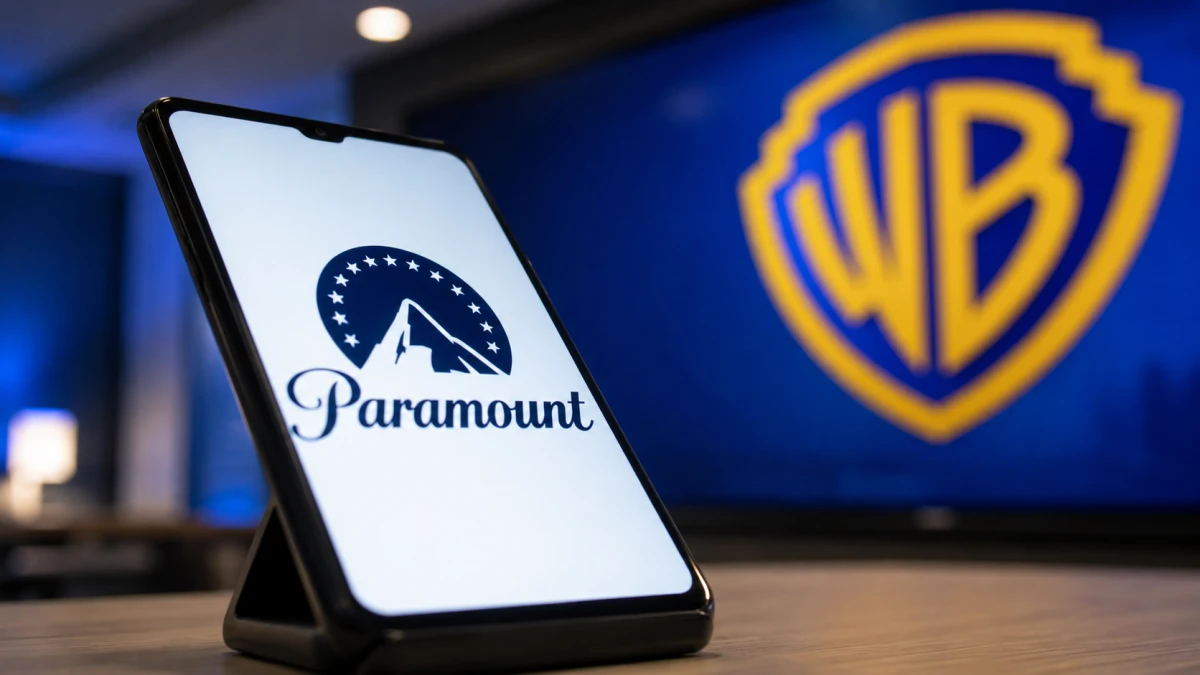
Britain is considering whether to intervene in Paramount Skydance’s proposed takeover of Warner Bros Discovery, a transaction valued at about $110 billion. The concern centers on whether the deal could reduce media plurality in the UK, particularly because the combined company would control a broader mix of entertainment, streaming, news and broadcasting assets.
Culture minister Lisa Nandy has indicated that the government is minded to examine the deal on public-interest grounds. That does not automatically mean the UK intends to block the transaction. Instead, the process could become a way to push Paramount to offer specific commitments before the deal is allowed to proceed.
The review comes as global regulators continue to examine how very large media mergers could reshape competition, news distribution and cultural production. In the UK, the issue is especially sensitive because Paramount owns Channel 5, while Warner Bros Discovery owns CNN International and major production assets, including Leavesden studios.
Lawyers and media advisers quoted in the debate say the public-interest argument may not be strong enough to justify a full veto. However, even a limited review can delay closing, raise costs and increase pressure on the companies to negotiate.
Key Details
The possible concessions being discussed include a commitment to preserve independent news provision for Channel 5. One potential remedy would be maintaining ITN as Channel 5’s news provider rather than shifting news production toward CNN or another internal operation.
Children’s television is another area likely to receive attention. The deal would bring brands such as Nickelodeon and Cartoon Network under the same corporate umbrella. UK officials could seek assurances that children’s programming aimed at British audiences will continue to receive investment and visibility.
Production investment may also become part of the negotiation. Warner Bros Discovery owns Leavesden studios, one of the UK’s most important film and television production hubs. A pledge to preserve or expand that footprint could help address political and cultural concerns.
The public-interest review is separate from the normal competition review. Competition authorities usually focus on measurable issues such as market share, consumer choice and pricing power. A public-interest process is broader and can include softer questions, such as whether a deal affects media diversity, news independence or cultural output.
That distinction matters because a transaction can look acceptable under competition rules while still attracting political scrutiny. In media, governments often care not only about prices and markets, but also about who controls information, journalism and cultural production.
Why It Matters
The Paramount-Warner deal would create one of the world’s largest media groups, combining major studios, streaming platforms, news operations, entertainment networks and production facilities. For Britain, the question is not only whether the merger harms competition, but whether it changes the balance of media influence inside the country.
Media plurality is important because democratic societies rely on a range of independent voices. If too much content, news or distribution power is concentrated in too few hands, regulators may worry that audiences will have fewer distinct sources of information.
The case also shows how governments can use public-interest powers to shape global mergers. Instead of blocking a deal outright, regulators can pressure companies to make promises that protect local jobs, programming, news independence or cultural investment.
For Paramount, the risk is delay. A prolonged UK process could increase the cost of closing the deal and complicate a transaction that already needs global regulatory coordination. That gives the UK government a stronger negotiating position, even if its legal case for a veto is not overwhelming.
For the media industry, the review may become a signal. Large entertainment and streaming deals with UK assets could face closer political scrutiny, especially when they involve news, broadcasting, children’s content or culturally important production sites.
What Happens Next
Paramount and Warner Bros Discovery are expected to respond to the UK government’s concerns within the required timetable. Their response may determine whether the government formally escalates the public-interest review or accepts early assurances.
If the companies offer commitments that satisfy the government, the matter could be resolved without a major confrontation. Those commitments could involve Channel 5 news, children’s programming, UK production investment or governance protections around editorial independence.
If the government decides to proceed with intervention, Ofcom and competition authorities could be asked to examine different aspects of the transaction. That would create a more formal process and potentially delay the deal.
The key question is whether Britain wants to stop the merger or shape it. At this stage, the more likely outcome appears to be negotiation: the government gains public assurances, while Paramount keeps the transaction moving.
Key Facts
- Britain is considering intervention in Paramount Skydance’s proposed takeover of Warner Bros Discovery.
- The stated concern is media plurality and the possible concentration of media influence in the UK.
- Paramount owns Channel 5, while Warner Bros Discovery owns CNN International and major UK production assets.
- Possible remedies could include commitments on independent news, children’s television and UK studio investment.
- Delay matters because the transaction includes financial costs if completion is pushed beyond key deadlines.
Conclusion
Britain’s Paramount-Warner review may ultimately be less about blocking the merger and more about extracting enforceable commitments. The government can use public-interest powers to protect media plurality, independent news, children’s programming and domestic production while avoiding the political and legal risks of a full veto. Readers should watch whether Paramount offers early concessions, because that will likely determine whether the UK review becomes a short negotiation or a longer regulatory obstacle.
Frequently Asked Questions
What's Your Reaction?
 Like
0
Like
0
 Dislike
0
Dislike
0
 Love
0
Love
0
 Funny
0
Funny
0
 Wow
0
Wow
0
 Sad
0
Sad
0
 Angry
0
Angry
0










Comments (0)