
Mexico vs England World Cup Ticket Prices Soar on FIFA Resale Portal
Mexico vs England World Cup ticket prices have surged on FIFA’s official resale portal ahead of Sunday’s last-16 match in Mexico City, triggering anger from supporter groups and renewed scrutiny of football’s increasingly expensive ticket market.

What Happened
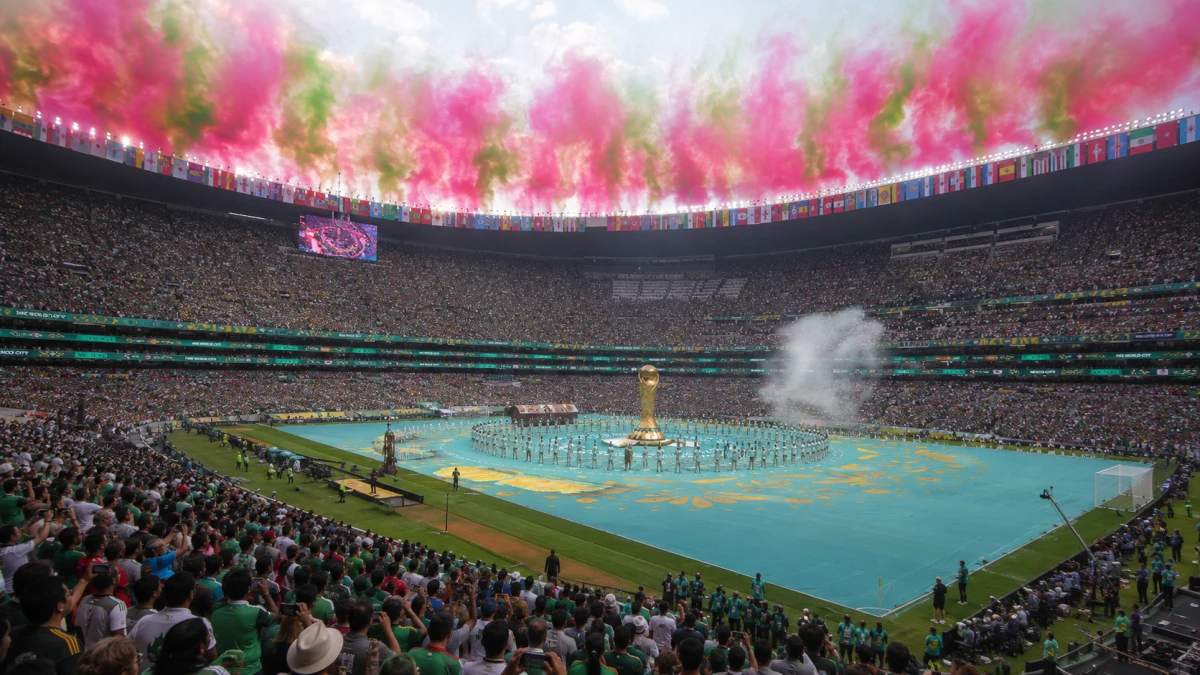
Ticket prices for the Mexico vs England World Cup match have climbed sharply on FIFA’s official resale portal after England confirmed its place in the last 16. The game, scheduled for Sunday at Mexico City’s historic Azteca Stadium, has quickly become one of the most in-demand fixtures of the knockout stage.
According to details shared by England’s Football Association, some of the tickets now appearing for resale were initially secured by members of the England Supporters’ Travel Club through a ballot held in December. Those tickets became eligible for resale after England advanced with a 2-1 win over DR Congo.
The resale listings have caused frustration among fans because some prices are far above the original cost. Supporter groups say the situation highlights a wider problem in modern football: access to major tournaments increasingly depends not only on loyalty, travel and luck in ballots, but also on the ability to pay rapidly rising resale prices.
The Football Supporters’ Association strongly criticized FIFA’s approach, arguing that the online exchange enables tickets to be listed at heavily inflated prices. The group also criticized the commission structure, saying the governing body benefits from fees charged to both buyers and sellers.
FIFA has previously defended its variable pricing model, saying it follows trends already used across sports and entertainment. Under that model, prices may adapt according to demand, availability and market conditions, with the stated aim of optimizing sales and attendance.
Key Details
The controversy centers on the difference between face-value access and resale-market pricing. Tickets allocated through supporter schemes are typically intended to give loyal fans a structured path to attend major matches. However, once tickets become eligible for resale, the price can move far beyond what many supporters expected or can afford.
For England fans, the issue is especially sensitive. International tournaments already involve major expenses, including flights, accommodation, local transportation and matchday costs. When ticket prices rise into the thousands, the total cost of following a team abroad can become unrealistic for many supporters.
The Mexico vs England fixture is also unusual because demand is coming from several directions at once. England has a large traveling fan base. Mexico is a host nation. The match is a knockout game. It is also being played in Mexico City, where local demand is expected to be intense. That combination has created a market where available tickets are scarce and highly sought after.
Azteca Stadium adds another layer to the demand. The venue is one of the most recognizable stadiums in world football, associated with historic World Cup moments and a powerful home atmosphere. For Mexico supporters, a knockout match there is not just another game; it is a rare chance to watch the national team in a defining World Cup moment on home soil.
The timing has also contributed to the surge. Once England’s place in the last 16 was confirmed, fans who had waited for the matchup immediately began looking for tickets. That kind of sudden demand can cause resale prices to jump, especially when the number of available seats is limited.
Why It Matters
The Mexico vs England World Cup ticket prices matter because they raise a broader question about who major football tournaments are really for. World Cups are promoted as global celebrations, but extremely high resale prices can make attendance difficult for ordinary fans, even those who followed official ticketing procedures.
Supporters’ groups argue that official resale systems should protect fans from excessive profiteering. Their concern is not only that prices are high, but that the system may normalize a market where major football events become accessible mainly to wealthier buyers or corporate guests.
The issue also affects trust. When fans participate in official ballots, they expect a fairer route to tickets than they might find on unofficial secondary markets. If tickets obtained through official supporter channels reappear at huge markups, it can damage confidence in the allocation and resale process.
There is also a reputational risk for FIFA. Ticketing has become one of the most closely watched parts of major tournaments because it touches fans directly. Even if variable pricing is common in other industries, football supporters often see national team matches differently from concerts or commercial entertainment events.
For Mexico supporters, the pricing debate may feel equally frustrating. The match is being played in their country, yet soaring prices could make it difficult for local fans to attend one of the biggest games of the tournament. That creates tension between the commercial value of a global event and the emotional value of football as a public sporting experience.
The controversy also points to a larger shift in sports economics. Digital ticketing and official resale platforms make it easier to manage tickets, reduce fraud and transfer seats securely. At the same time, they can expose fans to highly dynamic markets where prices move quickly and emotional demand drives costs upward.
What Happens Next
In the immediate term, fans looking for Mexico vs England tickets will continue monitoring FIFA’s resale portal and other ticketing channels before Sunday’s match. Prices may continue to fluctuate depending on seller behavior, late availability and how many fans are willing to pay premium rates.
Supporter groups are likely to keep pressure on FIFA over resale rules, fees and price controls. Their criticism may become part of a wider post-tournament debate over how tickets should be allocated, how resale should be regulated and whether official platforms should impose stronger limits on markups.
FIFA, meanwhile, is likely to continue defending its approach by pointing to market demand, attendance optimization and the broader use of variable pricing in major events. However, the strength of fan reaction could determine whether future tournaments face more pressure for price caps or tighter resale restrictions.
For supporters, the practical advice is clear: use official ticketing channels when possible, read the final checkout price carefully, avoid suspicious third-party offers and remember that a listing price does not guarantee value. In high-demand matches, the safest option is not always the cheapest, but fans should avoid rushing into purchases without verifying the source.
The match itself will now carry a story beyond the pitch. Mexico vs England was already one of the most anticipated knockout fixtures of the World Cup. The ticket controversy has made it a symbol of the growing tension between global football’s commercial power and the expectations of the fans who give the tournament its atmosphere.
Key Facts
- Mexico will face England in a World Cup last-16 match on Sunday in Mexico City.
- Some tickets originally obtained by England Supporters’ Travel Club members were later made eligible for resale.
- Listings on FIFA’s official resale portal have appeared at prices far above standard face value.
- The Football Supporters’ Association criticized FIFA’s resale system and the fees attached to transactions.
- FIFA has defended variable pricing as consistent with wider sports and entertainment ticketing trends.
Conclusion
The surge in Mexico vs England World Cup ticket prices shows how quickly demand, scarcity and official resale systems can transform a major football match into an expensive marketplace. While FIFA argues that variable pricing reflects modern event economics, supporter groups say the current system risks pricing loyal fans out of the World Cup. As kickoff approaches, the key issue is no longer just who wins on the field, but whether football’s biggest events can remain accessible to the people who make them matter.
Frequently Asked Questions
What's Your Reaction?
 Like
0
Like
0
 Dislike
0
Dislike
0
 Love
0
Love
0
 Funny
0
Funny
0
 Wow
0
Wow
0
 Sad
0
Sad
0
 Angry
0
Angry
0









Comments (0)