
DHS Probes Cyber Breach at Homeland Security Information Network
The U.S. Department of Homeland Security is investigating a cyber breach involving an unclassified information-sharing environment, raising new concerns about the security of sensitive government coordination systems used by homeland security partners.

What Happened
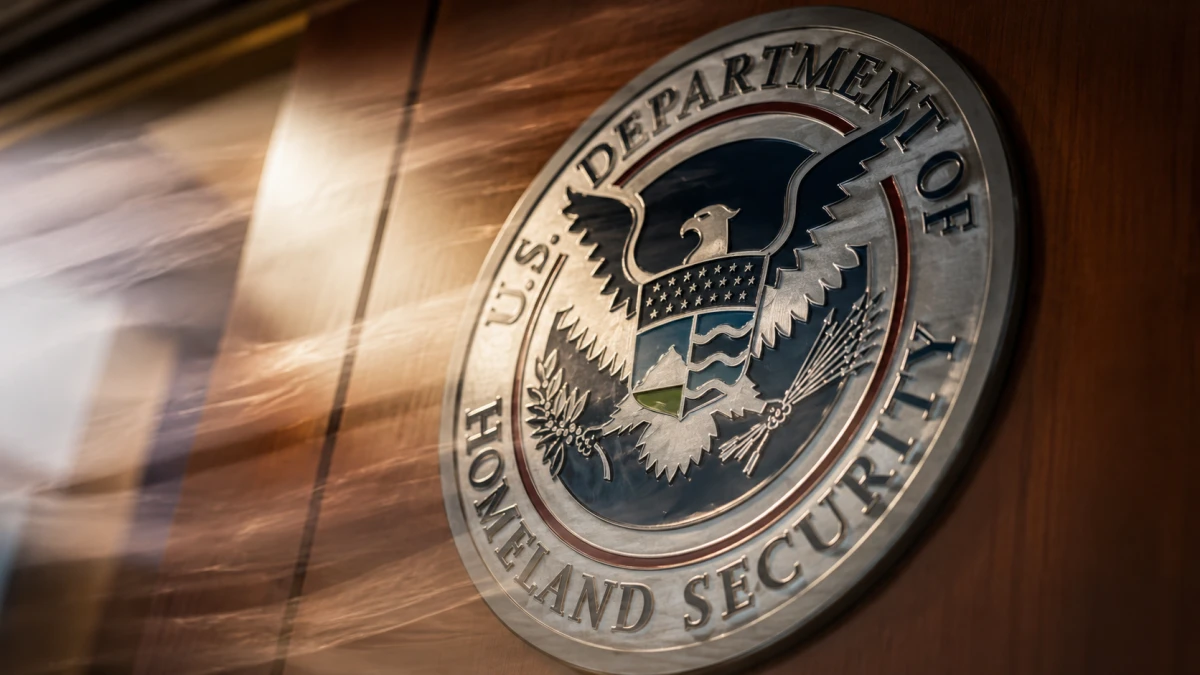
The Department of Homeland Security confirmed that it is investigating a recent cyber incident involving what it described as a specific, unclassified legacy information-sharing environment. The agency said it moved to isolate affected systems, mitigate the vulnerability and begin a forensic investigation.
The department has not publicly released all operational details because the investigation remains active. However, outside reporting has identified the affected platform as the Homeland Security Information Network, commonly known as HSIN, a system used by government and security partners to share information, coordinate operations and support emergency response.
According to public reporting, the breach is believed to have occurred sometime between late May and early June. The identity of the hackers, their affiliation and the full scope of any accessed material have not been publicly confirmed.
DHS said there is no indication that classified networks were affected. That distinction is important, but it does not eliminate the seriousness of the incident. Unclassified government systems can still contain operational details, partner communications, threat information and sensitive coordination data.
Key Details
HSIN is used by federal, state, local, tribal, territorial, international and private-sector partners. Its purpose is to help authorized users share information, coordinate responses, manage incidents and collaborate during major events or emergencies.
That makes the platform especially important during periods of heightened security planning. Senator Mark Warner, vice chair of the Senate Intelligence Committee, said HSIN supports security coordination for major events and emergency response operations.
Warner warned that the information in HSIN, while not classified, is highly sensitive and that exposure could create national security risks. He called for DHS and the Justice Department to investigate who breached the network, what was accessed and how partners should reduce possible risks.
The incident also places renewed attention on the cybersecurity of older federal technology systems. Legacy platforms often remain critical because many agencies and partners depend on them, but they can be harder to secure if they rely on older infrastructure, complex permissions or outdated architecture.
Why It Matters
The breach matters because homeland security information-sharing systems are designed to connect many organizations that need to act quickly during emergencies. When a platform like this is affected, the concern is not only data theft. The bigger issue is whether attackers gained insight into how agencies communicate, plan and respond.
For law enforcement and emergency management partners, even limited exposure can create operational risk. Attackers could potentially learn about workflows, partner relationships, access patterns or response procedures. Those details may help hostile actors understand how agencies prepare for major public events or crisis situations.
The incident also affects public trust. DHS is one of the federal agencies responsible for protecting national cybersecurity and coordinating defense against digital threats. A breach involving one of its own information-sharing environments creates pressure for the department to explain what happened and how similar risks will be prevented.
At the same time, the case highlights a broader challenge for government cybersecurity: many essential public-sector systems were built to support collaboration, not only security. The more agencies, partners and jurisdictions that need access, the harder it becomes to manage permissions, monitor activity and detect unusual behavior quickly.
What Happens Next
The immediate next step is the forensic investigation. DHS must determine how the attackers gained access, how long they were inside the environment, what systems or documents they touched and whether any partner organizations need to take protective action.
Investigators will also need to assess whether credentials, internal communications, operational documents or sensitive partner data were exposed. If compromised accounts or access tokens were involved, DHS may need to reset credentials, review logs and strengthen identity controls across the platform.
Congressional oversight is also likely. Warner’s statement signals that lawmakers want answers about the origin of the breach, the scope of the compromise and whether DHS partners received timely information. Those questions could become central if the investigation finds that sensitive operational data was accessed.
For homeland security partners, the practical focus will be risk reduction. Agencies may review what they shared through the platform, monitor for suspicious activity, verify access permissions and update incident-response procedures. The goal is to limit any damage while DHS completes its investigation.
Key Facts
- DHS confirmed a recent cyber incident involving an unclassified legacy information-sharing environment.
- Public reporting identifies the affected platform as the Homeland Security Information Network, or HSIN.
- DHS said affected systems were isolated and a forensic investigation was launched.
- The department said there is no indication that classified networks were impacted.
- Senator Mark Warner warned that sensitive unclassified information can still create national security risks if exposed.
Conclusion
The DHS cyber breach underscores a key reality of modern national security: sensitive information is not limited to classified systems. Platforms like the Homeland Security Information Network help agencies coordinate across jurisdictions, but that same connectivity can create risk when attackers gain access. The most important questions now are how the breach happened, what information was accessed and whether DHS can reassure partners that the system remains secure.
Frequently Asked Questions
What's Your Reaction?
 Like
0
Like
0
 Dislike
0
Dislike
0
 Love
0
Love
0
 Funny
0
Funny
0
 Wow
0
Wow
0
 Sad
0
Sad
0
 Angry
0
Angry
0












Comments (0)