
Norway Offshore Wage Deal Averts Strike at Oil Installations
Norway’s offshore unions reached a wage agreement with employers, preventing a strike that could have affected drilling rigs, floating production platforms and parts of the country’s oil and gas operations. The deal gives workers a 5.2% general wage increase and avoids an immediate disruption at several offshore installations.

What Happened
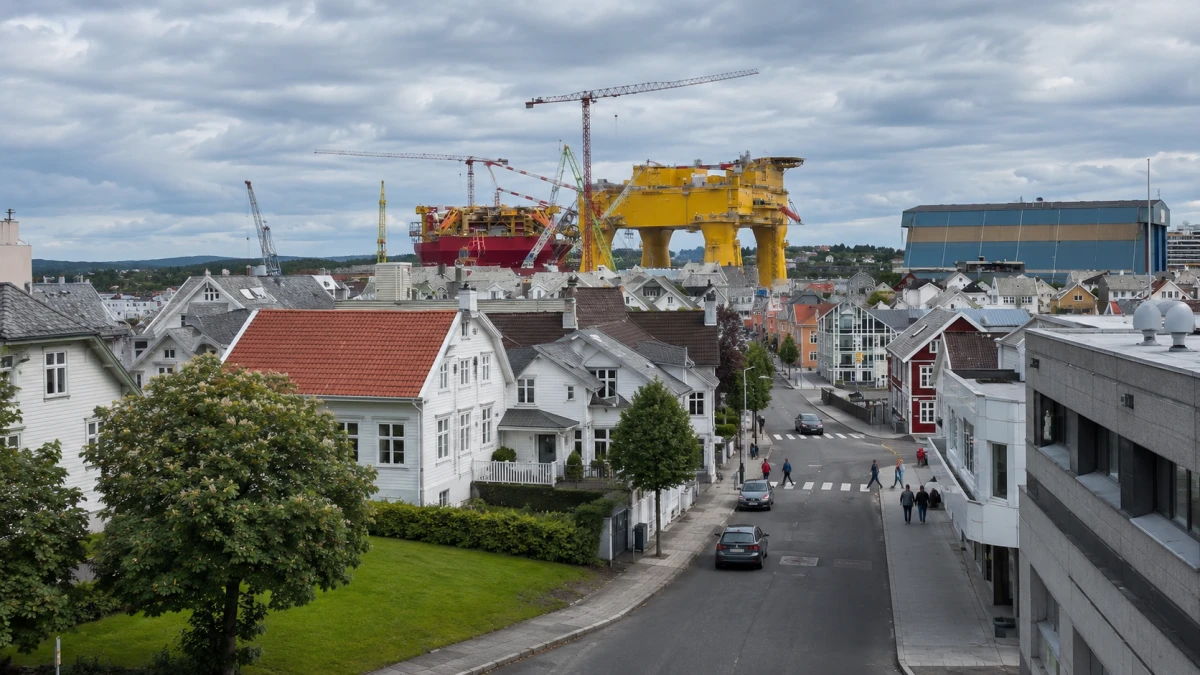
Norway avoided a new offshore strike after unions and employers reached a wage deal late Thursday. The agreement came before a deadline that could have triggered industrial action at several offshore oil and gas installations.
The threatened strike involved more than 600 union members working on offshore drilling rigs, a well intervention vessel and a floating production platform. The installations named in the dispute included Transocean’s Encourage rig, Odfjell Technology’s Linus rig, AKOFS Offshore’s Seafarer vessel and Equinor’s Gullfaks B platform.
The settlement means those workers will not begin a walkout as planned. For Norway’s energy sector, that removes an immediate operational risk at a time when the industry has already been facing pressure from other labor tensions involving oil service workers.
Key Details
The deal was reached between offshore labor unions and the employers’ side represented by the Norwegian Shipowners’ Association. It covers workers tied to drilling rigs and floating offshore units, a key part of Norway’s offshore energy infrastructure.
The strike threat was significant because offshore activity depends on specialized workers, tightly planned logistics and continuous coordination between operators, service firms and vessel crews. Even a limited strike can delay drilling, maintenance, well intervention and production support work.
Norway’s offshore sector is especially sensitive to labor disputes because installations operate far from shore and depend on rotating crews. When workers are withdrawn, companies often have limited flexibility to replace them quickly without affecting safety, schedules or production planning.
Why It Matters
Norway is one of Europe’s most important oil and gas suppliers. Any labor disruption in its offshore sector can attract attention from energy companies, traders, governments and industrial buyers that rely on stable supply.
This deal matters because it reduces the risk of immediate disruption at specific offshore assets. It also shows that wage negotiations remain a central issue in Norway’s energy industry, especially as workers seek compensation that reflects inflation, demanding offshore conditions and strong sector earnings.
For employers, the agreement helps preserve operational continuity. For workers, it delivers a wage increase and pension improvements without forcing a strike. For the broader market, it lowers short-term uncertainty around the affected installations.
What Happens Next
The immediate strike has been avoided, so the named rigs, vessel and platform are not expected to face the planned walkout connected to this dispute. Companies can continue operations without the disruption that would have started after the deadline.
However, labor relations in Norway’s offshore sector remain important to monitor. Separate disputes involving oil service workers have already created pressure in parts of the industry, and future negotiations could still affect drilling, maintenance or production support activity.
Energy market watchers should follow whether the new settlement becomes a reference point for other labor talks. If additional unions or worker groups seek similar terms, employers may face continued wage pressure across the offshore supply chain.
Key Facts
- Norway’s offshore unions reached a wage deal before a strike deadline.
- The agreement prevents an immediate walkout by more than 600 workers.
- The threatened strike involved Transocean’s Encourage rig, Odfjell Technology’s Linus rig, AKOFS Offshore’s Seafarer vessel and Equinor’s Gullfaks B platform.
- The settlement includes a 5.2% general wage increase and improved pension contributions.
- The deal reduces short-term disruption risk for Norway’s offshore oil and gas sector.
Conclusion
Norway’s offshore wage deal averts a strike that could have added more pressure to the country’s oil and gas industry. The agreement gives workers higher pay and pension contributions while helping operators avoid immediate disruption at key offshore installations. The next issue to watch is whether broader labor tensions in Norway’s energy sector continue to affect offshore service work, drilling schedules or production planning.
Frequently Asked Questions
What's Your Reaction?
 Like
0
Like
0
 Dislike
0
Dislike
0
 Love
0
Love
0
 Funny
0
Funny
0
 Wow
0
Wow
0
 Sad
0
Sad
0
 Angry
0
Angry
0









Comments (0)