
Supreme Court Nears End of Term With Major Trump Power Rulings Still Pending
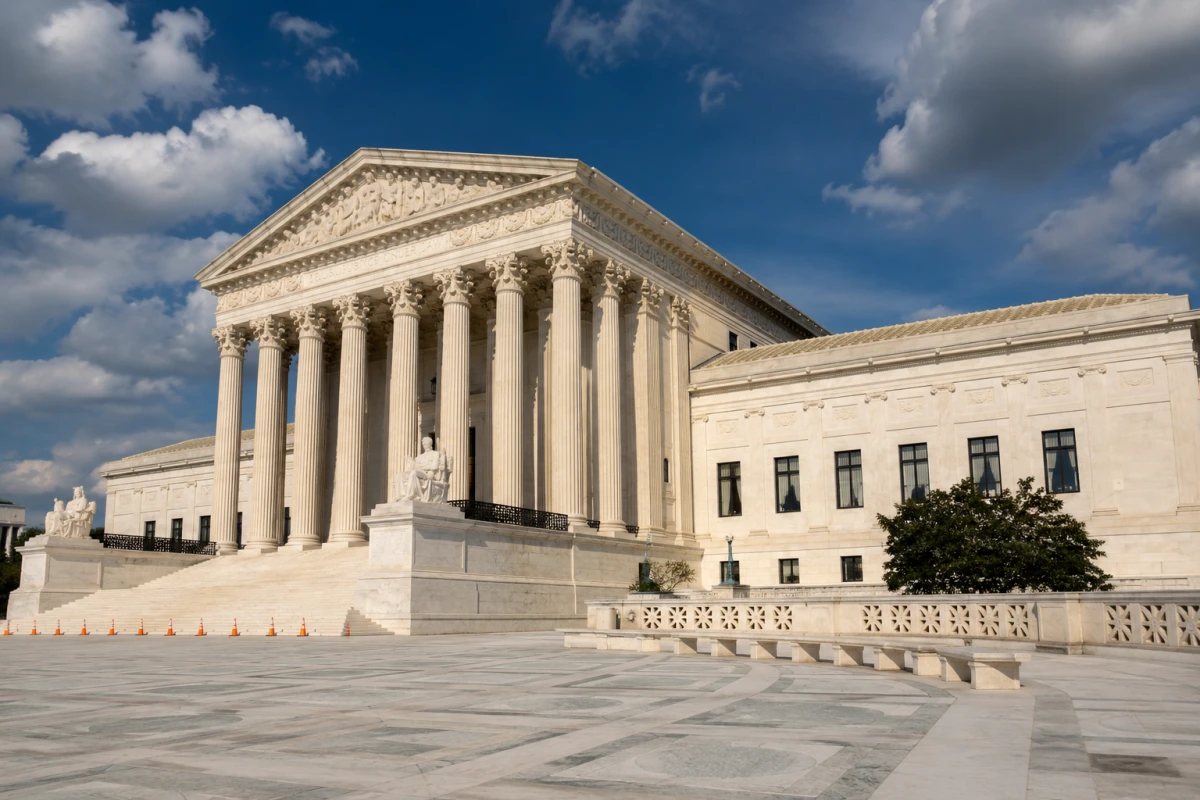
The U.S. Supreme Court is nearing the end of its current term with several high-impact rulings still pending, including three cases tied to Donald Trump’s claims of presidential power, election rules, transgender athletes and law enforcement’s use of geofence warrants.

Introduction
The final days of a Supreme Court term often bring some of the most consequential rulings, and this year is no exception. The justices are preparing to decide several disputes that could reshape the balance of power between the White House, Congress, independent agencies, states and individual rights.
At the center of the remaining docket are three cases involving Donald Trump. They focus on whether a president can remove certain federal officials, how far executive power extends over independent agencies, and whether the White House can limit birthright citizenship through an executive order.
What Happened
The Supreme Court, which has a 6-3 conservative majority, still has several unresolved cases before the end of its term. Reuters reported that the Court has set Monday as its next day to release rulings, with decisions expected on disputes involving presidential power, election law, transgender athletes and digital privacy.
The Trump-related cases are especially significant because they test how much control a president can exercise over institutions designed to operate with some independence. One case involves Federal Reserve Governor Lisa Cook. Another involves former Federal Trade Commission member Rebecca Slaughter. A third focuses on Trump’s executive order seeking to limit birthright citizenship.
Key Details
The Federal Reserve case centers on whether Trump had legal authority to fire Lisa Cook. The Federal Reserve Act allows a president to remove governors only “for cause,” but the statute does not clearly define the phrase or create a detailed removal process.
The FTC case could be even broader. The Trump administration has asked the Court to revisit a 1935 precedent known as Humphrey’s Executor v. United States, which limited presidential removal power over some independent agency officials. If the Court narrows or overturns that precedent, it could strengthen presidential control over independent agencies.
The birthright citizenship case involves Trump’s attempt to limit automatic citizenship for certain children born in the United States. Lower courts blocked the policy, finding conflicts with the 14th Amendment and federal law. The Supreme Court’s ruling could determine whether the executive branch can reinterpret one of the most important citizenship protections in U.S. constitutional law.
Understanding the Topic
Birthright citizenship means that a person born in the United States is generally recognized as a U.S. citizen at birth. This principle comes from the 14th Amendment, adopted after the Civil War, and has been central to American citizenship law for more than a century.
Independent agencies, such as the Federal Reserve and the FTC, were designed to operate with some distance from direct political pressure. Congress created removal protections to prevent presidents from replacing officials simply because of policy disagreements. The pending cases ask whether those protections go too far under the Constitution.
Geofence warrants are another important issue before the Court. These warrants allow police to seek location data from devices that were near a specific place during a specific period. Supporters say they can help solve crimes. Critics argue they may sweep up information from many people who are not suspects.
Why It Matters
These cases matter because they could affect daily life, government power and constitutional rights. A ruling on birthright citizenship could influence families, immigrants and state agencies that administer public benefits, identity documents and citizenship-related services.
The presidential removal cases could affect how independent federal agencies operate. If the Court gives the president broader removal power, future administrations may gain more direct influence over agencies that regulate interest rates, consumer protection, competition policy and financial markets.
The election cases also carry national importance. One case concerns whether mail-in ballots postmarked by Election Day may be counted if they arrive within a short grace period. Another challenges federal limits on coordinated campaign spending by political parties and candidates. Together, these decisions could shape election administration and campaign finance rules before the November midterm elections.
Background and Context
The Court has already issued several major decisions this term. According to the Supreme Court’s official opinions page, opinions from the October 2025 term are posted as they are released in slip opinion format. That means the final set of rulings can arrive close to the end of June or, in some years, early July.
“Opinions are posted on the website upon release in slip opinion format.”
That official process matters because pending cases are not final until the Court publishes its opinions. Oral arguments can signal how justices are thinking, but they do not always predict the final outcome.
In recent years, the Court has reconsidered several major precedents involving administrative power, individual rights and federal authority. The pending Trump cases fit into that broader legal debate over how much power belongs to the president, how much belongs to Congress, and how much independence federal agencies may retain.
Practical Implications
For readers, the practical impact depends on the specific ruling. A decision on birthright citizenship could affect families with newborn children, immigrant communities, state agencies and federal documentation processes.
A ruling on the Federal Reserve could influence perceptions of central bank independence. Investors, borrowers and businesses closely watch the Fed because its decisions affect interest rates, inflation expectations and economic policy.
A ruling on geofence warrants could affect privacy rights in the smartphone era. If the Court allows broad use of this tool, police departments may have more flexibility to use location data. If the Court limits it, investigators may need narrower warrants or stronger evidence before accessing device-location records.
What Happens Next
The Supreme Court is expected to release additional rulings in the coming days. Once the opinions are published, lower courts, federal agencies and state governments will begin applying the decisions.
The most important thing to watch is not only who wins each case, but how broadly the Court writes its opinions. A narrow ruling may affect only the parties involved. A broad ruling could reshape federal power, election law, civil rights or privacy standards across the United States.
Key Facts
- The Supreme Court is nearing the end of its current term.
- Three pending cases involve Donald Trump’s claims of presidential power.
- One case focuses on Trump’s order seeking to limit birthright citizenship.
- Two election-related cases involve mail-in ballots and campaign finance limits.
- The Court is also considering transgender athlete laws and geofence warrants.
Conclusion
The Supreme Court’s remaining rulings could become some of the most important decisions of the term. The cases touch presidential authority, citizenship, elections, transgender rights and digital privacy. Readers should watch for the official opinions, the scope of each decision and how quickly federal and state officials respond after the Court acts.
Frequently Asked Questions
What's Your Reaction?
 Like
0
Like
0
 Dislike
0
Dislike
0
 Love
0
Love
0
 Funny
0
Funny
0
 Wow
0
Wow
0
 Sad
0
Sad
0
 Angry
0
Angry
0












Comments (0)