
UK PM Starmer Says Successor Cannot Spend Less Time on Foreign Affairs
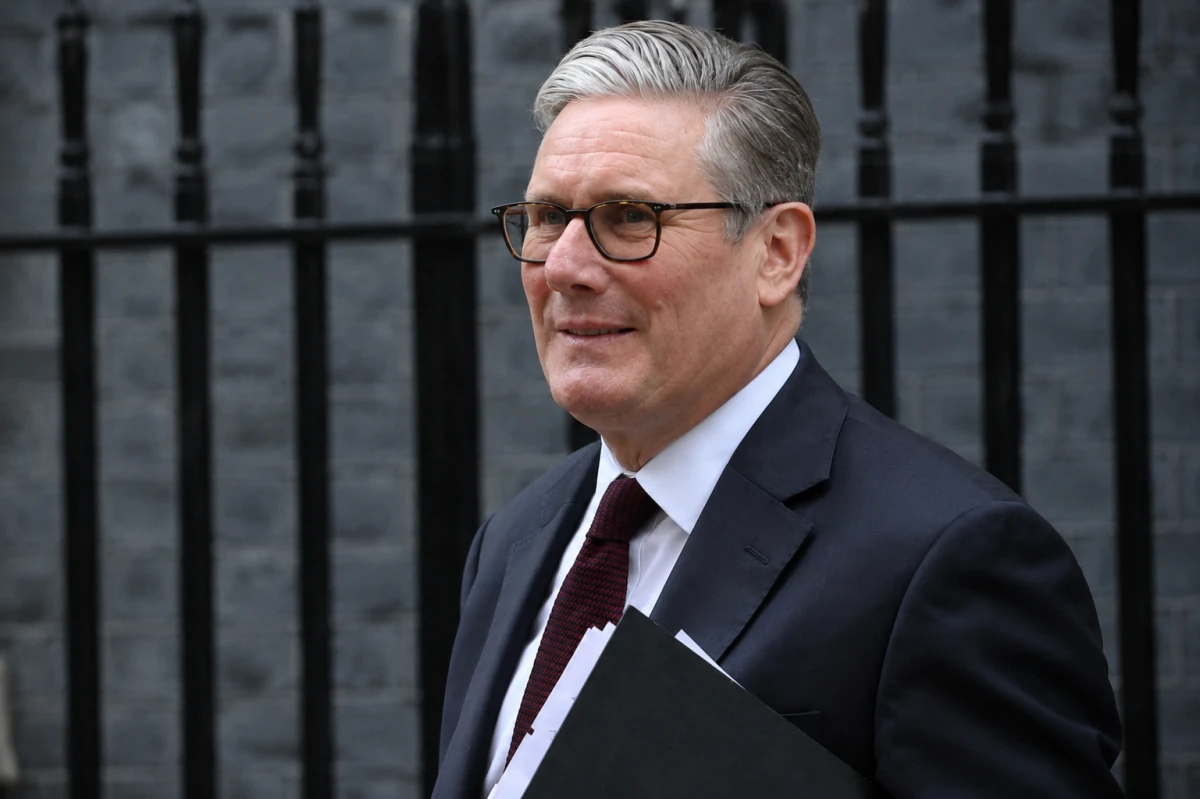
Outgoing UK Prime Minister Keir Starmer said Britain’s next leader cannot reduce the time spent on foreign affairs, arguing that diplomacy, international crises and domestic policy are now inseparable for the United Kingdom.

Quick Summary
- Keir Starmer said Britain’s next prime minister must remain deeply engaged in foreign affairs.
- He rejected the idea that a successor could focus mainly on domestic policy.
- Starmer argued that international crises affect British households, security and the economy.
- The comments come as Andy Burnham is widely expected to succeed him.
What You Need to Know
- What happened: Starmer defended the international focus of his premiership.
- Who is affected: UK voters, businesses, public services and Britain’s next government.
- Why it matters: The next prime minister will inherit domestic pressure and global instability.
- What happens next: The successor will need to define how Britain balances diplomacy with domestic reform.
What Happened
Outgoing UK Prime Minister Keir Starmer said whoever succeeds him in Downing Street will not be able to spend less time on foreign affairs, even if public pressure grows for a stronger focus on domestic issues.
Speaking in a BBC interview, Starmer rejected the idea that international diplomacy can be treated as separate from domestic policy. He said the modern world is too unstable for a British prime minister to step back from global affairs.
“There’s often this discussion — what’s the right balance between dealing with international affairs and dealing with domestic affairs? They’re one and the same thing,” Starmer said.
Asked whether a future prime minister could devote less time to diplomacy than he did, Starmer answered directly: “No, I don’t think it is possible.”
The remarks come after criticism from opponents who argued that Starmer spent too much of his premiership focused on foreign policy. His response was that foreign policy is not a distraction from domestic government, but part of the same challenge.
Background
Starmer announced last month that he would step down after two years in office, opening a leadership transition inside the Labour Party and raising questions about the future direction of the UK government.
Andy Burnham, widely expected to replace Starmer, has signaled a stronger focus on domestic priorities. His agenda has emphasized living standards, housing, infrastructure, regional power and the need to give more influence to communities outside Westminster.
That contrast has created a clear political question: should Britain’s next prime minister concentrate more heavily on domestic repair, or continue Starmer’s international approach?
Starmer’s answer is that the choice is false. In his view, conflicts abroad, energy insecurity, migration pressures, defence commitments and trade relationships all feed directly into the cost of living, public finances and national security at home.
Key Details
Starmer defended the foreign policy focus of his premiership in a video titled “With Keir,” posted on X. He said Britain had restored its global standing and that other countries now look to the UK for leadership.
He pointed to Britain’s support for Ukraine and its role in international coalitions as central achievements of his time in government. For Starmer, those efforts were not symbolic. They were part of a broader argument that Britain must remain active in shaping the international order.
At the same time, Starmer said his government had made progress on domestic priorities. He cited economic stabilization, efforts to reduce child poverty and work to improve the National Health Service as major accomplishments.
His message was designed to counter the criticism that diplomacy came at the expense of domestic delivery. Instead, he framed international engagement as one of the tools needed to protect national prosperity and stability.
How It Affects You
For UK households, the debate matters because foreign policy can affect everyday costs. Energy prices, food supply chains, interest rates, security spending and trade conditions are all shaped partly by events beyond Britain’s borders.
A prime minister who focuses only on domestic policy may still be forced to respond to wars, market shocks, diplomatic disputes, migration pressures or security threats. Starmer’s argument is that ignoring those issues does not make them disappear; it only leaves the country less prepared.
For businesses, the next government’s foreign policy stance could influence trade with Europe, investment confidence, defence contracts, sanctions policy and supply chain stability.
For public services, the connection is also important. A government facing higher defence costs, weaker trade growth or global energy disruption may have less fiscal room for hospitals, housing and infrastructure.
Why It Matters
Starmer’s comments expose one of the biggest leadership tests facing Britain: voters want visible domestic improvements, but the prime minister must also manage a volatile global environment.
That tension is not unique to the UK. Governments across Europe are facing similar pressures as they try to fund public services, support Ukraine, manage relations with major powers, protect energy security and respond to economic uncertainty.
For Labour, the issue is politically sensitive. Burnham’s appeal is closely tied to domestic renewal and regional fairness. But if he becomes prime minister, he will inherit the same international pressures that shaped Starmer’s premiership.
That means the next leader may try to change tone and priorities, but the demands of the office will still require constant diplomatic engagement.
KALITS Analysis
Starmer is making a strategic argument about modern leadership: foreign policy is no longer a separate department of government. It is connected to prices, jobs, security, migration, technology, defence and public spending.
The political risk for his successor is clear. If the next prime minister promises a dramatic turn inward, global events may quickly force a return to international crisis management.
However, Starmer’s critics also have a point that cannot be ignored. Voters judge governments by what changes in their daily lives. If diplomacy does not produce visible domestic benefits, it can appear distant or disconnected.
The next UK leader will therefore need to explain foreign policy in practical terms: how it protects jobs, lowers risks, strengthens security and supports household stability.
What Happens Next
The leadership transition will likely sharpen the debate over Britain’s priorities. Burnham and other senior Labour figures will need to show how they plan to address domestic pressures without weakening Britain’s diplomatic role.
The next prime minister will face immediate decisions on Ukraine, defence spending, relations with Europe, economic growth, public finances and regional investment.
The central challenge will be balance. A successful successor may need to speak more directly to domestic frustration while still maintaining the international engagement Starmer says is unavoidable.
Key Facts
- Keir Starmer said foreign and domestic policy are “one and the same thing.”
- He said a future prime minister cannot spend less time on diplomacy.
- Andy Burnham is widely expected to succeed Starmer.
- Burnham has emphasized living standards, housing, infrastructure and regional power.
- Starmer defended his record on Ukraine, international coalitions, the economy, child poverty and the NHS.
Conclusion
Keir Starmer’s warning to his successor is that UK foreign affairs cannot be pushed aside, even as voters demand stronger action on domestic problems. The next prime minister will need to prove that international diplomacy and domestic renewal can work together, not compete for attention.
Frequently Asked Questions
What's Your Reaction?
 Like
0
Like
0
 Dislike
0
Dislike
0
 Love
0
Love
0
 Funny
0
Funny
0
 Wow
0
Wow
0
 Sad
0
Sad
0
 Angry
0
Angry
0








Comments (0)