
Trump Pardons 11 in Clean Air Act Cases: What It Means for Emissions Enforcement
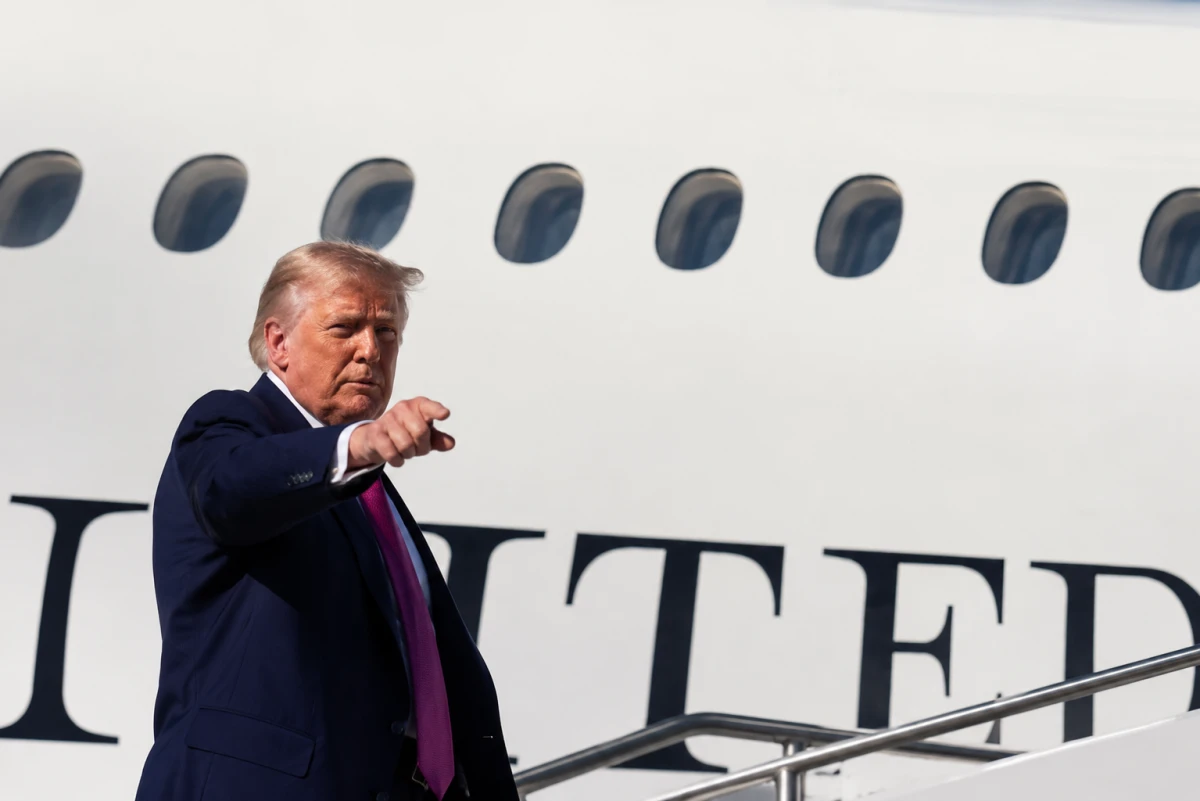
President Donald Trump pardoned 11 people on Friday, most of them connected to Clean Air Act cases involving truck emissions controls. The move adds a new political and legal layer to the national debate over vehicle repairs, federal environmental enforcement and the future of emissions regulation in the United States.

What Happened
Trump issued a new round of pardons on Friday covering 11 individuals. According to information reported about the clemency action, all but two of the recipients had been convicted of violating the Clean Air Act by modifying, disabling or helping bypass emissions controls on trucks.
The president also posted about six of the men on Truth Social, arguing that they had been prosecuted under the Biden administration for “fixing their car.” That framing quickly drew attention because the underlying cases centered on federal emissions law, not routine repairs such as replacing brakes, batteries or standard engine parts.
The pardons fit into a broader policy direction from Trump’s second administration. Earlier this year, the administration moved to repeal a key scientific finding that greenhouse gas emissions endanger public health and also eliminated federal greenhouse gas emissions standards for cars and trucks.
The Friday clemency list also included Adam Kidan, vice chairman of Staffing Advisory Group, who was sentenced in 2006 in a wire fraud case connected to business partner and Washington lobbyist Jack Abramoff.
Key Details
The Clean Air Act gives the federal government authority to regulate air pollution, including vehicle emissions. In diesel truck cases, prosecutors have focused on “delete” modifications that disable or defeat emissions-control systems. Those systems are designed to limit pollutants that can affect air quality and public health.
Trump and his allies have connected these cases to the “right to repair” debate, which generally refers to whether consumers and independent mechanics should be able to repair equipment without being locked into manufacturer-controlled systems. However, emissions enforcement is a separate legal issue because federal law restricts tampering with pollution-control equipment.
That distinction matters. A person repairing a vehicle to keep it functioning is different from a business modifying emissions systems so a truck can operate while producing higher levels of pollution. Supporters of the pardons say the federal government went too far. Environmental enforcement advocates argue the cases involved deliberate violations of pollution laws.
The timing is also significant. Just days before the pardons, the White House directed the Environmental Protection Agency to clarify repair options involving emissions systems and aftermarket parts. The administration described the policy as an effort to lower costs and protect consumers’ ability to repair vehicles.
Why It Matters
The pardons matter because they signal how the Trump administration may treat environmental enforcement going forward. Presidential pardons do not rewrite the Clean Air Act, but they can send a clear message about enforcement priorities, especially when paired with regulatory rollbacks.
For small repair shops, truck operators and aftermarket-parts companies, the decision may be seen as political support for looser enforcement and broader repair flexibility. Some businesses argue that emissions systems can be expensive to maintain and that federal rules have placed heavy costs on operators.
For environmental groups and public health advocates, the move raises concerns about air quality. Diesel emissions are linked to pollutants that can worsen respiratory and cardiovascular risks, especially in communities near highways, freight corridors and industrial routes.
The decision also affects how the public understands “right to repair.” Many Americans support the ability to repair their own vehicles and equipment. But this case shows how that popular idea can overlap with more complicated questions about pollution controls, federal law and public health.
What Happens Next
The next major step is likely to come from the EPA. The White House has directed the agency to provide guidance clarifying what individuals may do when repairing emissions-related vehicle systems. That guidance could shape how consumers, mechanics and aftermarket-parts companies interpret the boundaries between legal repair and illegal tampering.
The Justice Department’s approach will also be important. If federal prosecutors reduce or avoid criminal Clean Air Act cases involving emissions tampering, more enforcement may shift toward civil penalties, administrative actions or state-level regulation.
Congress could also become involved. Lawmakers who support repair rights may push legislation to limit federal enforcement over certain vehicle modifications. On the other side, environmental policy advocates may call for stronger safeguards to prevent increased pollution from heavy-duty trucks.
For now, the pardons do not eliminate Clean Air Act rules. Businesses and vehicle owners should still treat emissions-control modifications carefully because federal law remains in effect unless Congress changes it or agencies formally revise enforcement policy.
Key Facts
- Trump pardoned 11 people on Friday.
- Most of the pardons involved Clean Air Act cases tied to truck emissions controls.
- Trump described several cases as prosecutions over “fixing” vehicles.
- The underlying legal issue involved emissions-control tampering, not ordinary repairs.
- The pardons come as the administration rolls back federal vehicle emissions policies.
Conclusion
Trump’s Clean Air Act pardons are more than a clemency decision. They are part of a larger fight over environmental regulation, vehicle repair rights, diesel truck compliance and the limits of federal enforcement. The key question now is whether the administration’s next steps will create clearer repair rules or weaken enforcement against emissions-control tampering.
Frequently Asked Questions
What's Your Reaction?
 Like
0
Like
0
 Dislike
0
Dislike
0
 Love
0
Love
0
 Funny
0
Funny
0
 Wow
0
Wow
0
 Sad
0
Sad
0
 Angry
0
Angry
0






Comments (0)